Truk Lagoon
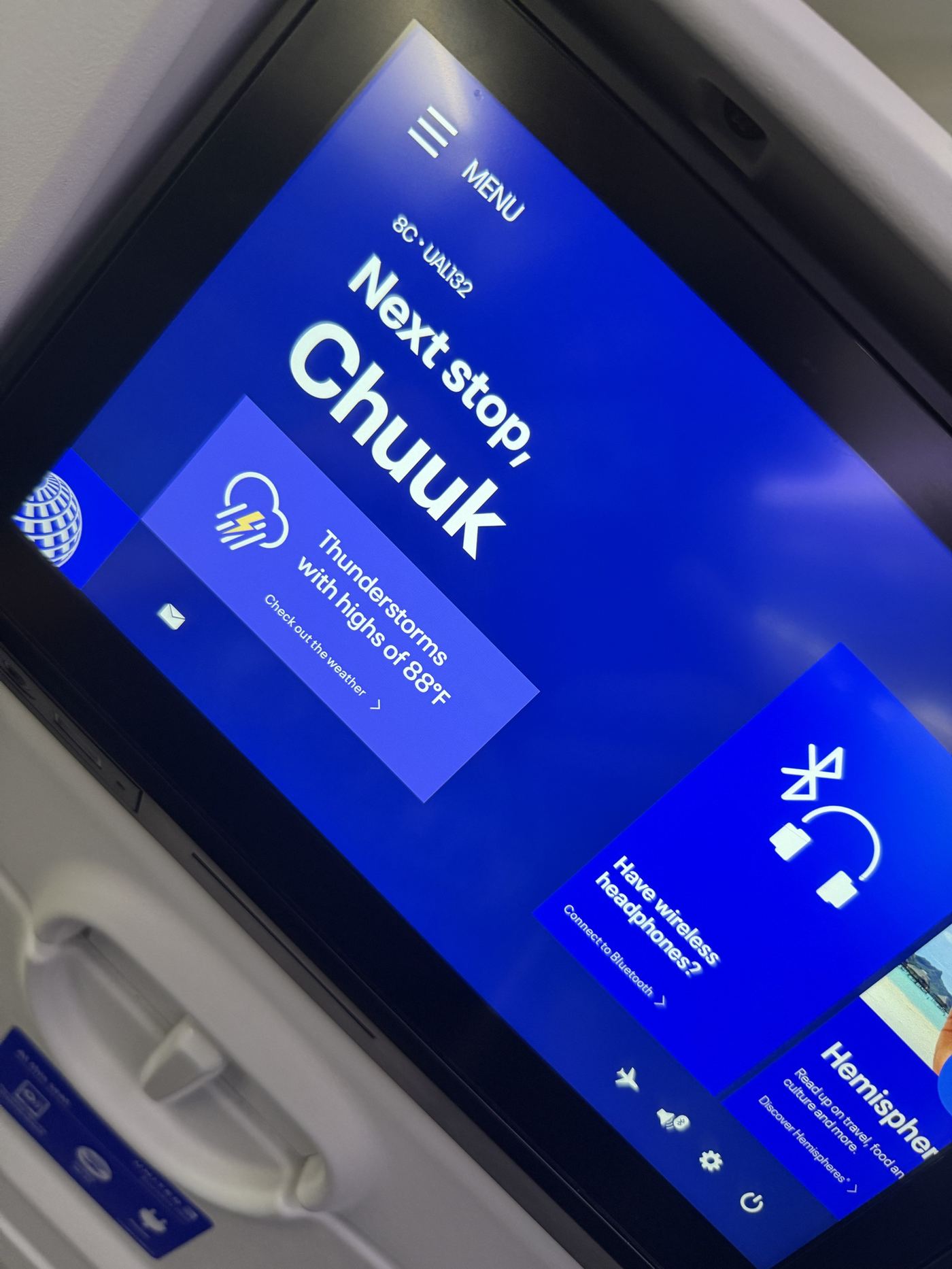
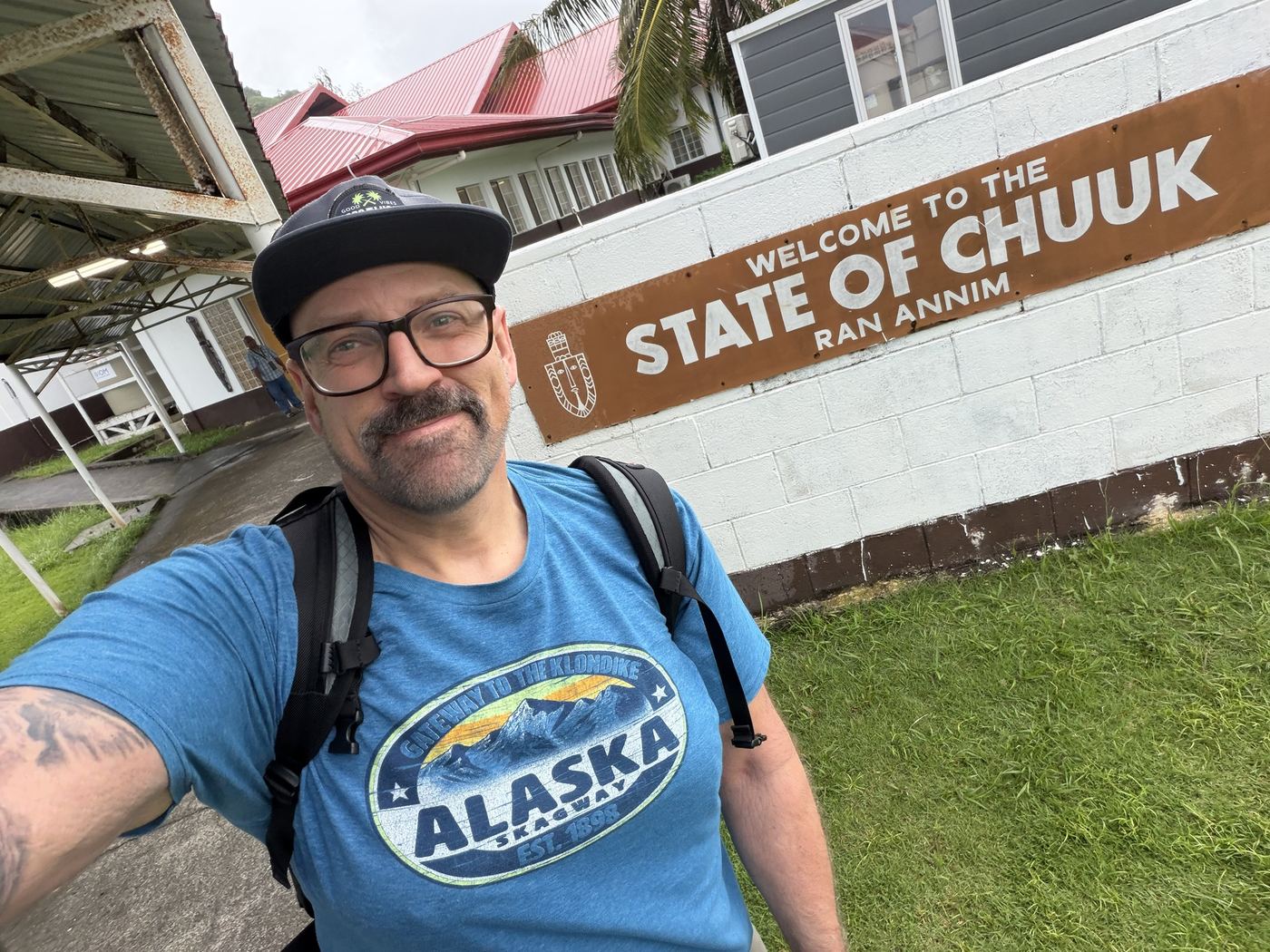
Made it to Chuuk
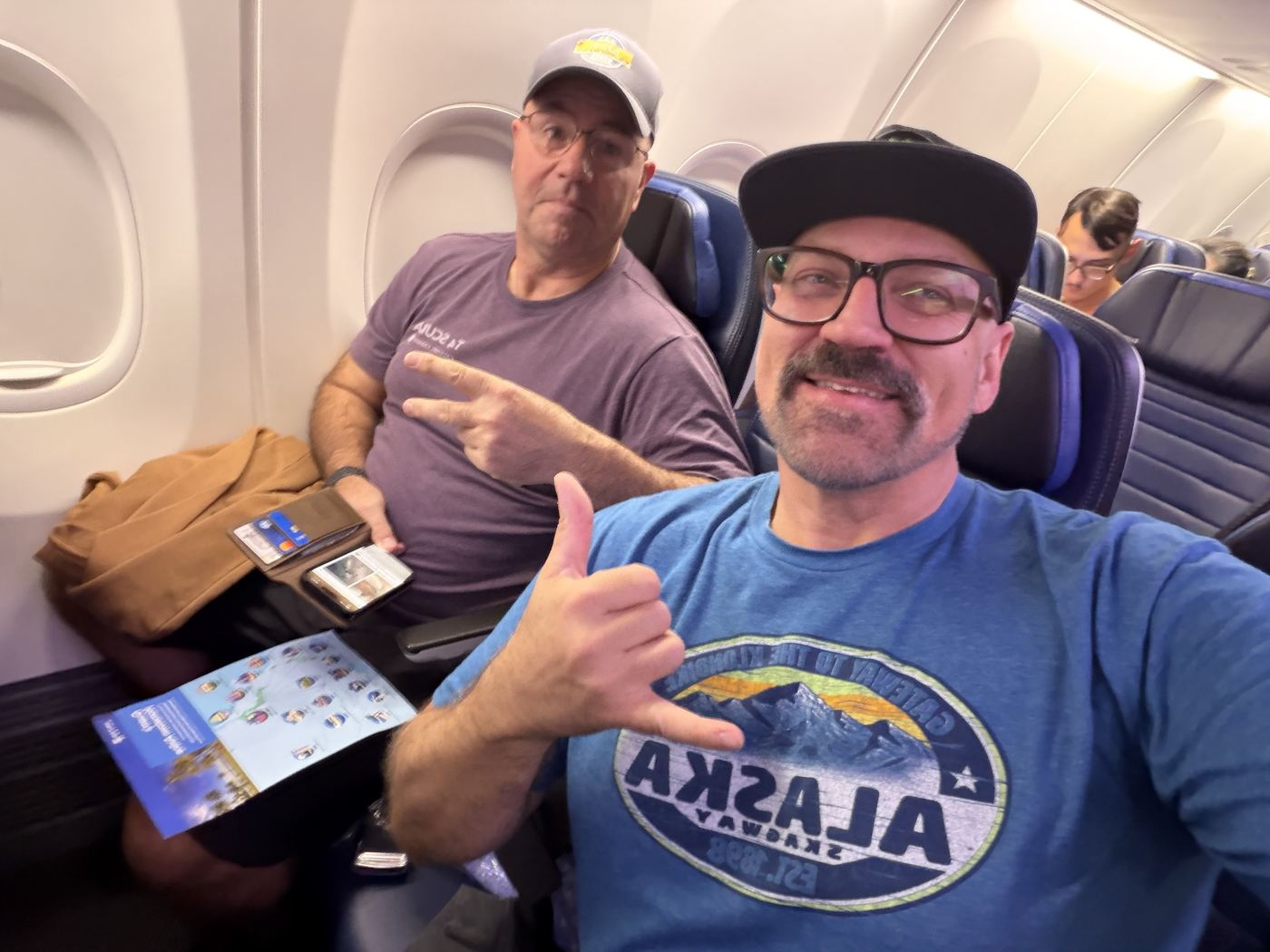
Thirty-three hours of travel later, and somehow still standing.
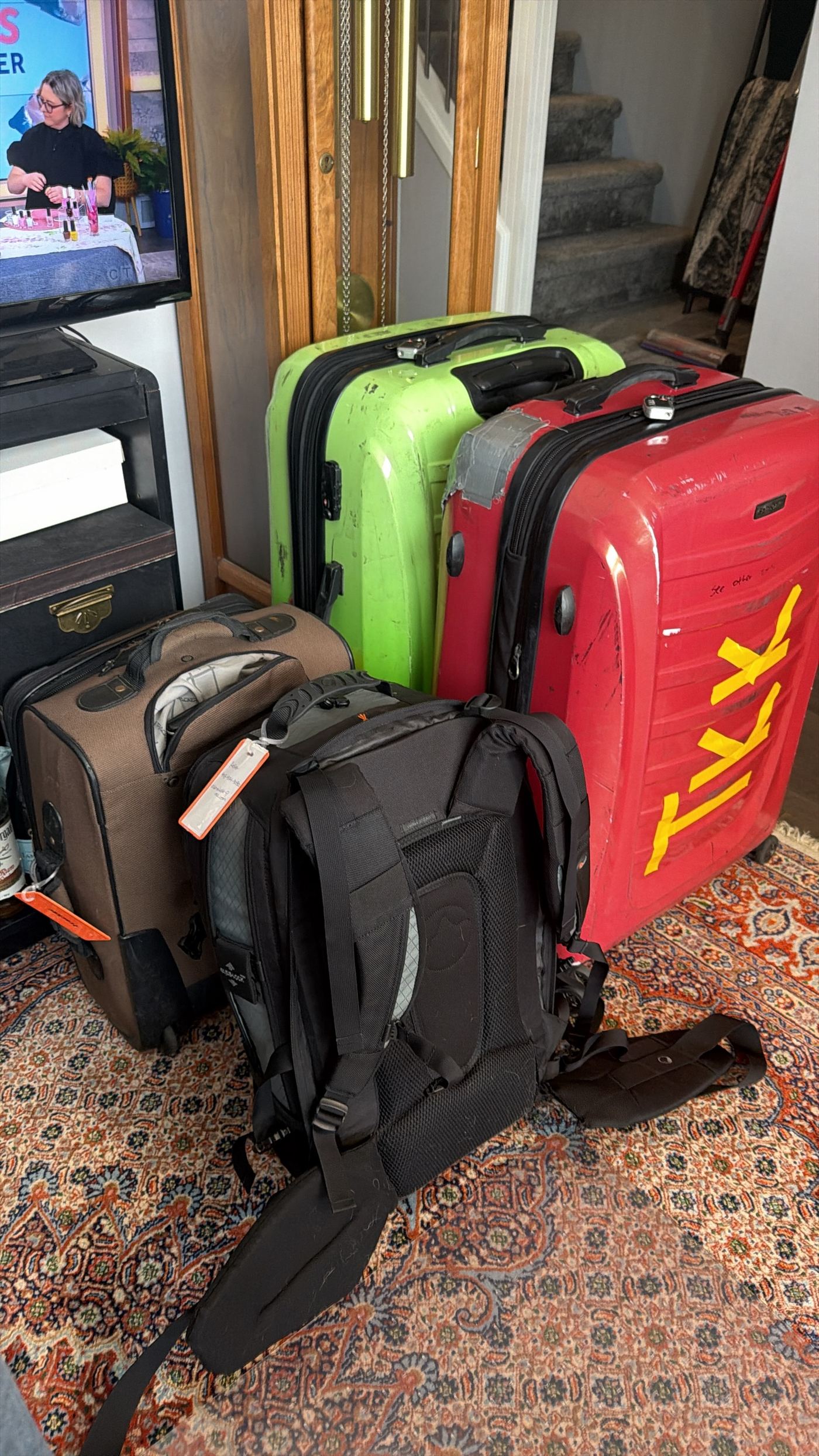
Thirteen hours on the island hopper — only an hour longer than planned, which out here you'll happily take — and, miraculously, every bag showed up. Now I'm watching Tropical Disturbance Invest 90W do its thing on the radar. But for now: island mode activated.
The storm
We landed on the 9th, all excited to be in Chuuk. There were murmurs of a weather system developing, but nothing organized yet. We rattled down a single-track road so full of potholes it might have been faster to walk, and settled into the resort for a couple of days before joining the boat.
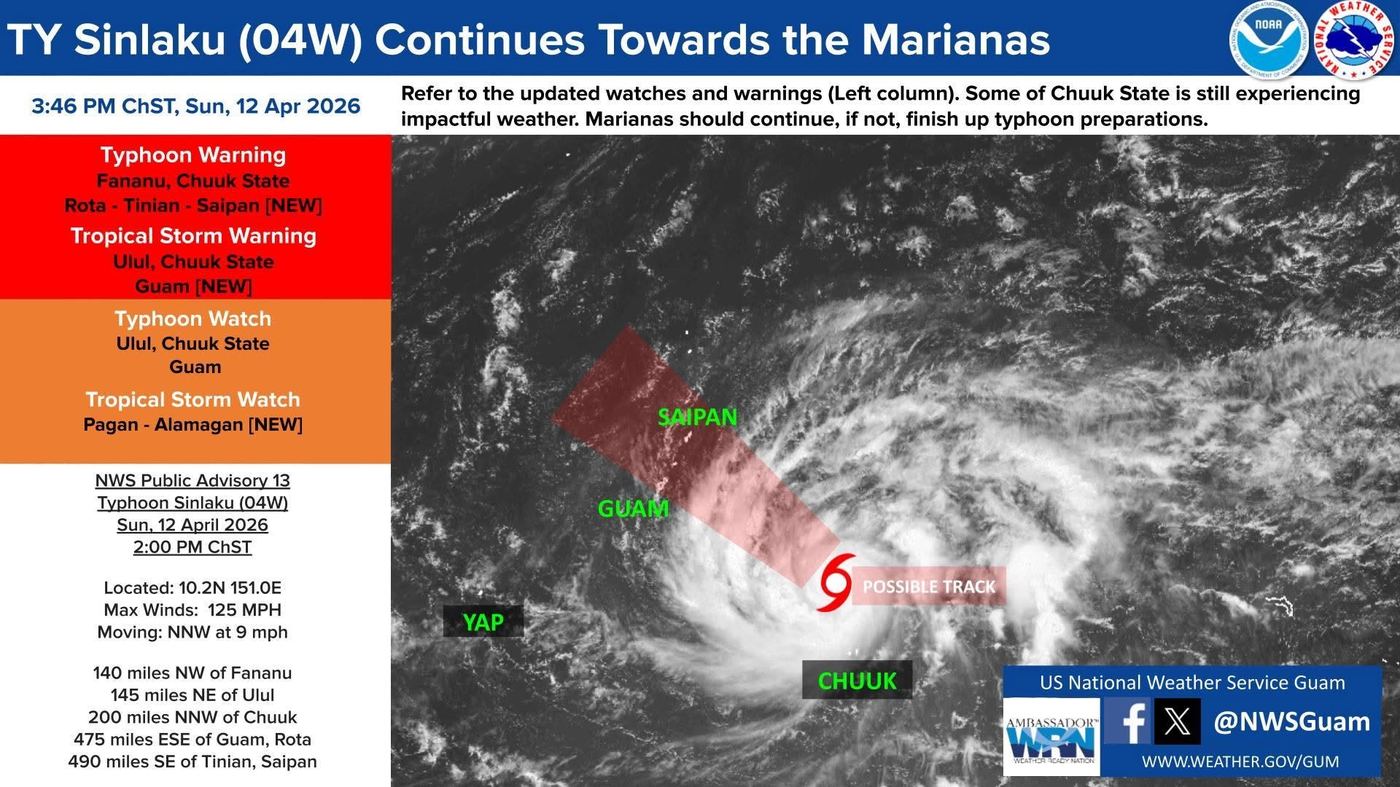
By the morning of the 10th the wind was picking up — Tropical Disturbance 04W — though there were still patches of sun, and we let ourselves hope it was moving on; the forecasts had it crawling toward Guam at 5 km/h. My last contact with the outside world was a 10 p.m. message to the boat.
Overnight, the wind and rain built. The storm was growing faster than it was moving. Rain and ocean spray drove in through the sliding doors; the power cut in and out, leaving the room stifling. In the morning light of the 11th we found water everywhere and palm trees down. The gusts gave you that feeling in the pit of your stomach.
The resort hadn't stocked extra diesel — the forecast had promised a quick exit — so the backup generator ran only a few hours at a time. Limited power, limited water. There was wifi when the power was on, but no internet. The urge to send a single "we're okay" had everyone checking for a signal. Nothing. We'd lost power, water, phone, and internet.
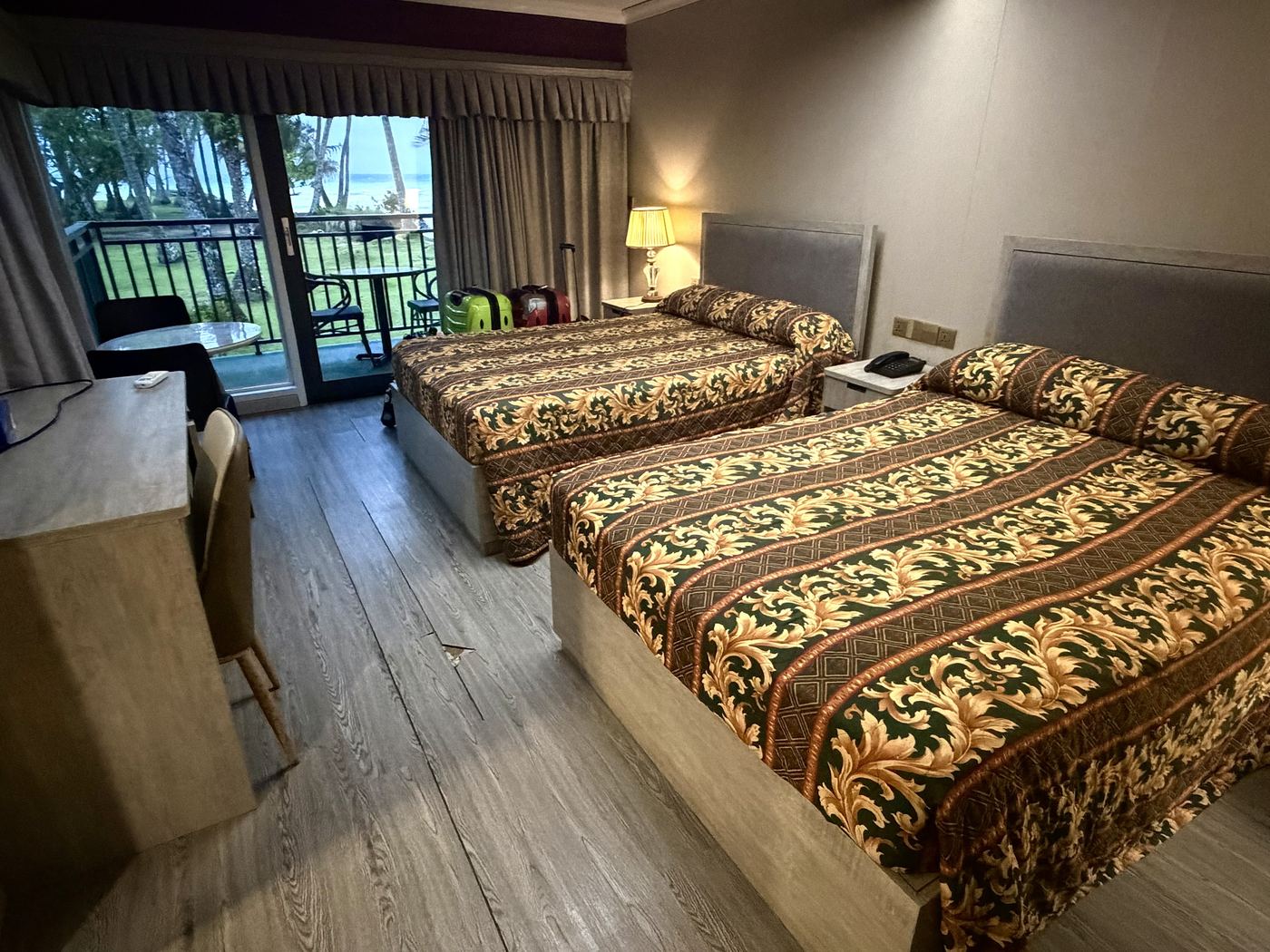
So we existed, waiting it out. Part of the dining-room roof had blown off, so breakfast became a buffet in the conference room, where we also ordered lunch and dinner to our rooms. I told Terry it was better to order dinner and not need it than need it and not have it. So we ordered.
We killed time until our 5 p.m. pickup — though with no way to reach the boat, nobody knew if it was still happening. Five o'clock came. Nothing. No rescue out to a boat that would have power, hot water, and Starlink. We propped the doors open for a cross-breeze — a cross-typhoon, really — to beat the stagnant heat.
The power flickered on. We'd hoped it might clear the air conditioner's P4 fault, but the code came right back. A maintenance tech came, couldn't fix it, and offered another room. Near 6, Terry and I went to check on dinner; on the way I spotted a staffer hurrying along with bags of meal boxes and asked if he had 105 — my room. He did. I grabbed it.
Afterward I showered while we had power. Cold water only, but once I adjusted it felt good — the stall a small escape from the madness outside. I turned it off, realized I wasn't ready, turned it back on, and just stood there.
Then the front-desk clerk appeared at our open door and startled me — the roar of the storm makes it easy to sneak up on you. She had a new room for us. The sweetest thing I'd heard in 24 hours, short of "we're here to take you to the boat." We picked our way through the stormy dark by phone flashlight to a cool, dry room.
We woke on the 12th to power, but still no water, internet, or cell. The wind had calmed; there were birds. The road was a tangle of downed trees and power lines, which explained why no rescue had come. Coffee does what coffee does, and afterward I carried my dry bag out to a pool of water to fill so we could flush the toilet. Never did I imagine, on this trip, salvaging brackish water from ground that's normally dry and grassy just to keep the bathroom working. But there I was.
Getting to the boat
By Sunday evening, some guests were finally shuttled off the boat we were meant to be on — we heard their stories of sleeping on the upper deck in life jackets as it swung on its anchorage, and suddenly our own ordeal felt small. Monday, things turned. The sun showed its face for the first time in days, and the swell came down. We could see the boat just offshore, the crew hard at work putting it back together. Every skiff zipping past spiked the anticipation — "is that them?"
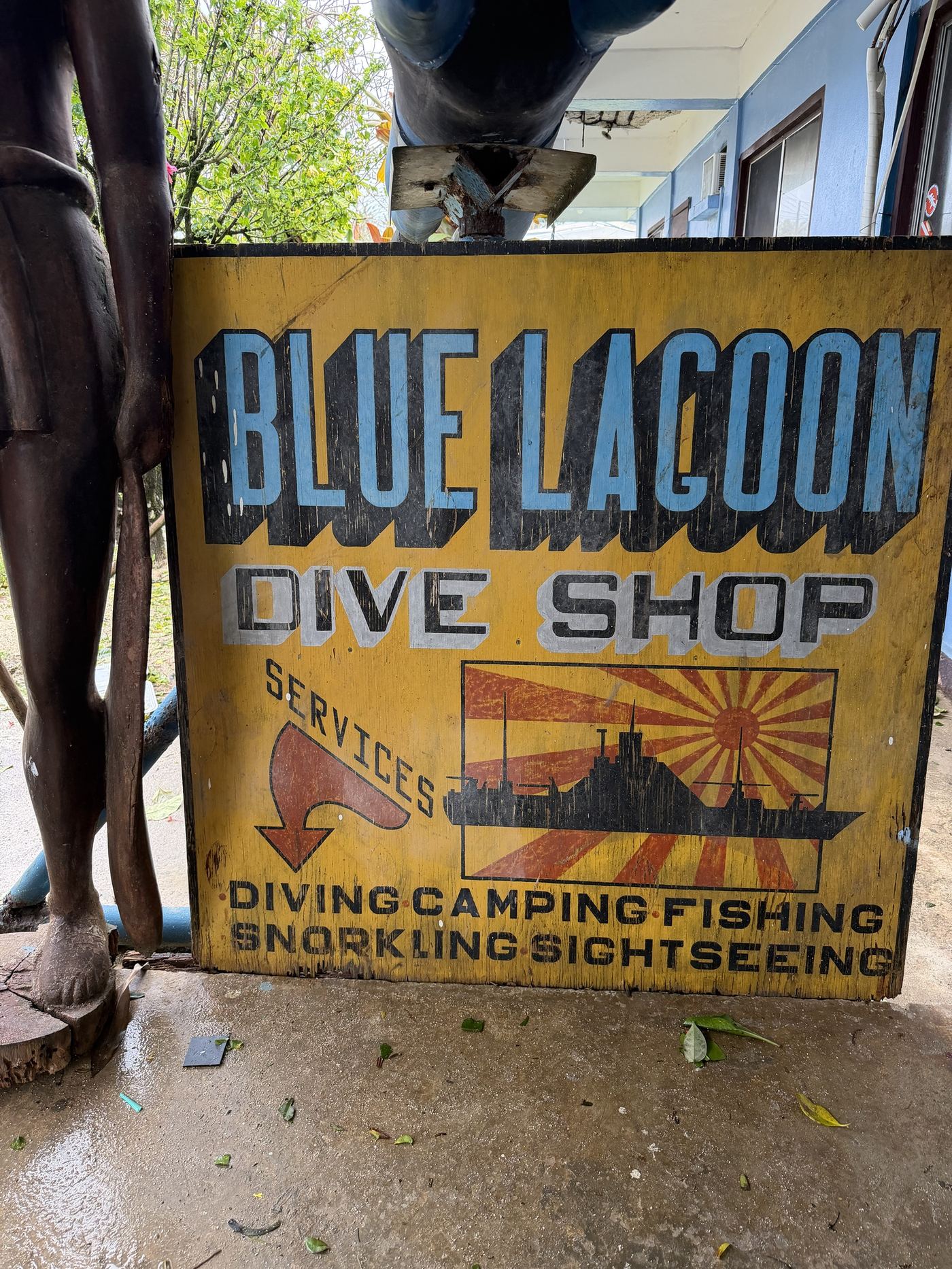
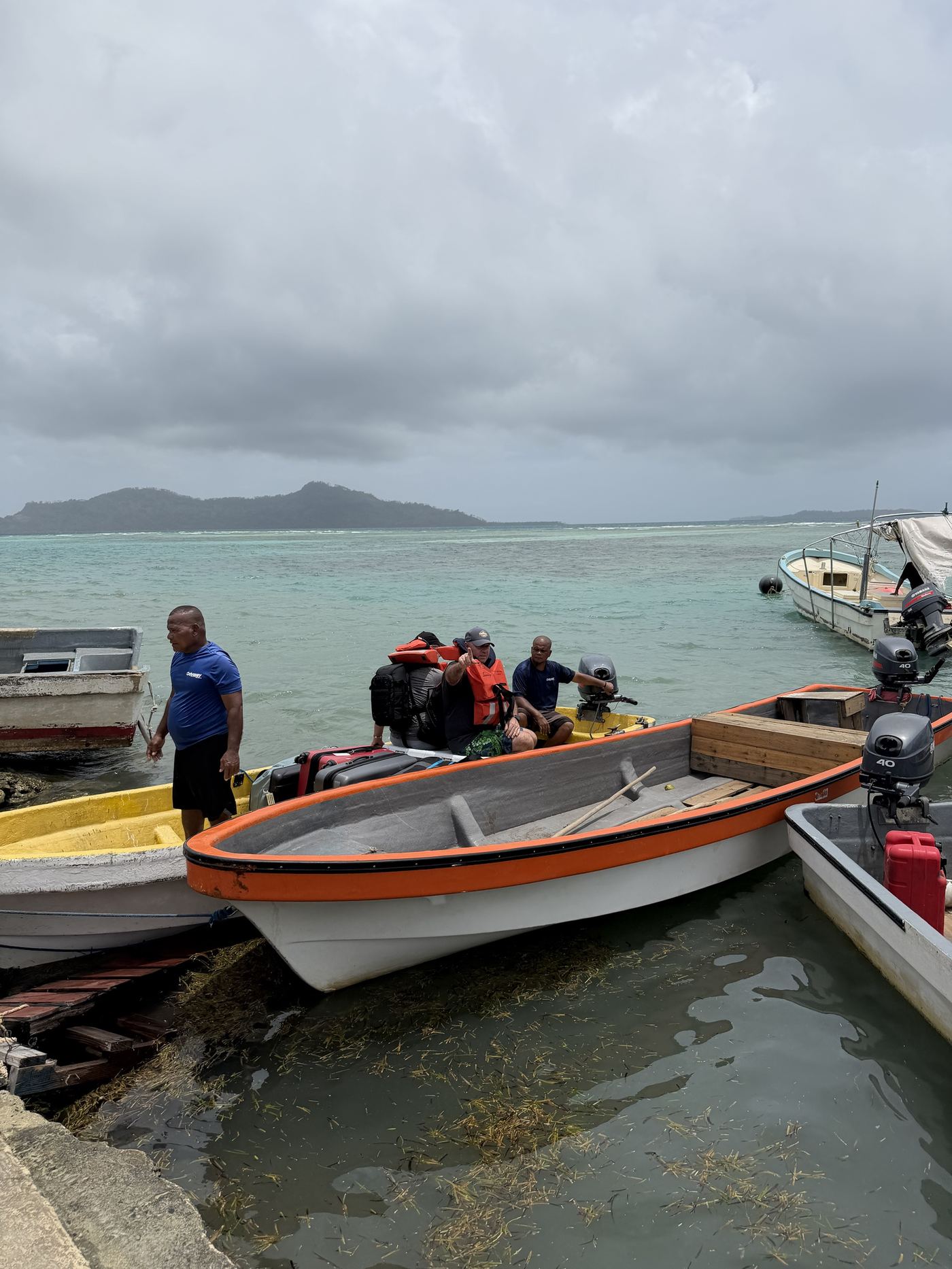
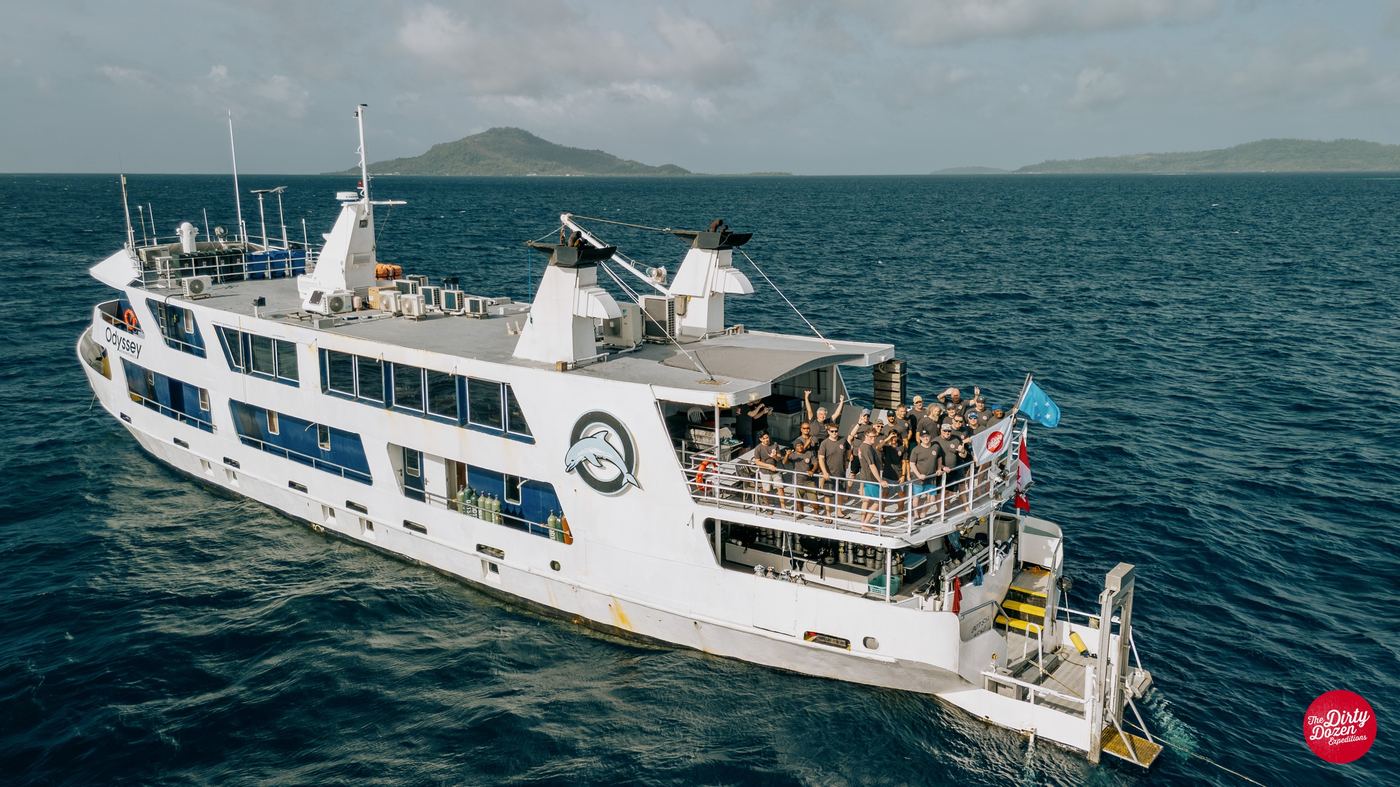
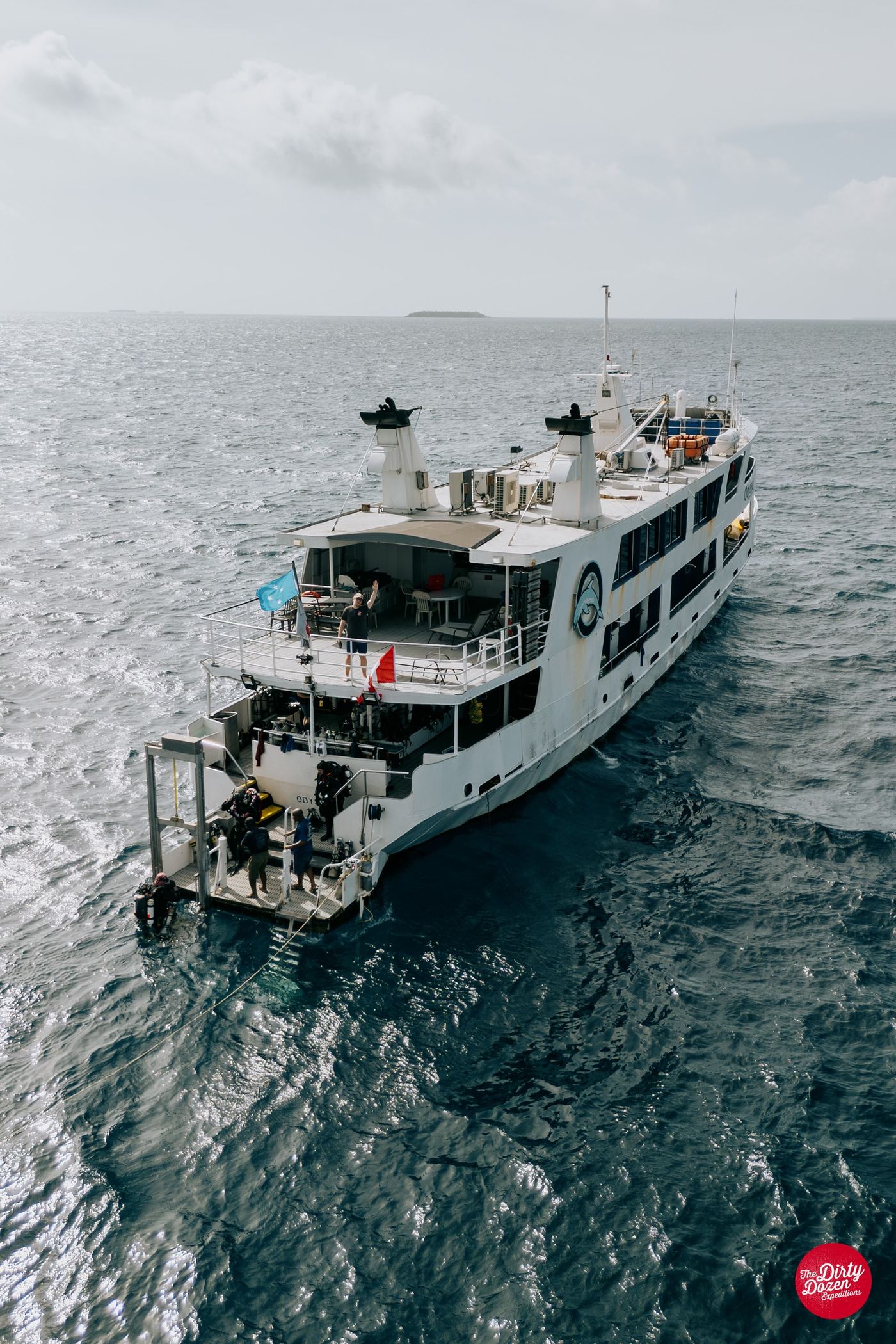
Then the message came: we were getting picked up. We hauled our luggage to the dive-shop dock and were shuttled out two at a time. I went last, out of politeness. As I stepped onto the transom, Aron greeted me. My first order of business was water and food — and the moment I drained a glass, a server refilled it. And again, until I'd had my fill. For a crew that had just weathered a brutal few days, they were remarkably chipper.
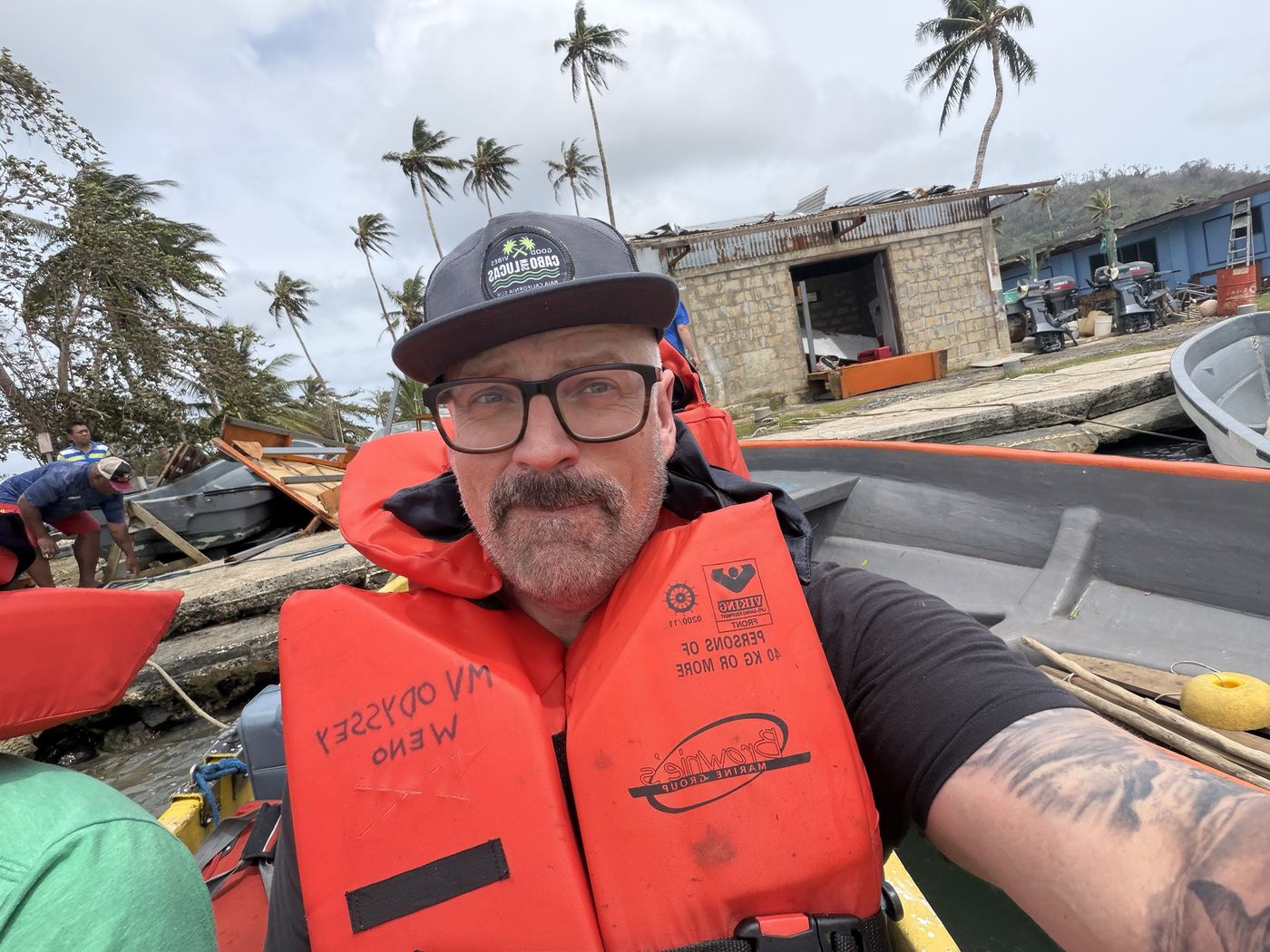
The dive deck was a flurry — we'd lost a day and a half, and this would be the first dive after the typhoon. The dive didn't go as planned. In fact, it didn't go: the storm's lingering effects had slashed the visibility and kicked up a current, both very unusual for the lagoon. Between that and buddy separation, we called it. The whole afternoon was outside normal procedure, in conditions that weren't normal for the location. At the very least, I got wet and knew my gear worked.
The diving
From there, the week unfolded the way a good charter should. The currents tapered to near zero and the visibility improved — not quite classic Truk, but good. The dives were extraordinary: the best wreck diving in the world, courtesy of the US Navy. Gear issues came up — they always do — and the Splash checklist, a quick final pause before entering the water, caught the little things before they became problems. The pace was relaxed, and the whole thing had the intentional, considerate feel of a curated experience.
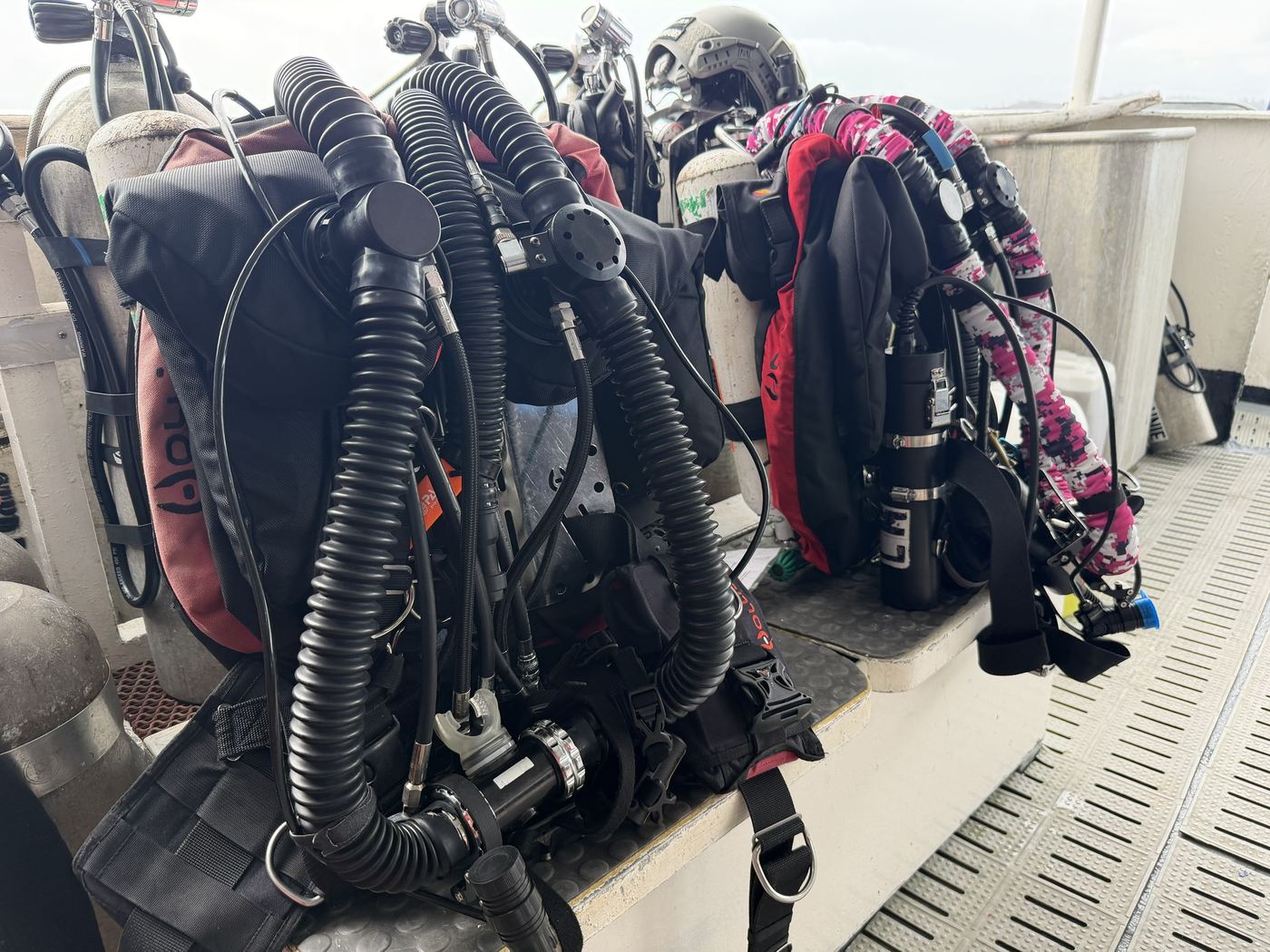
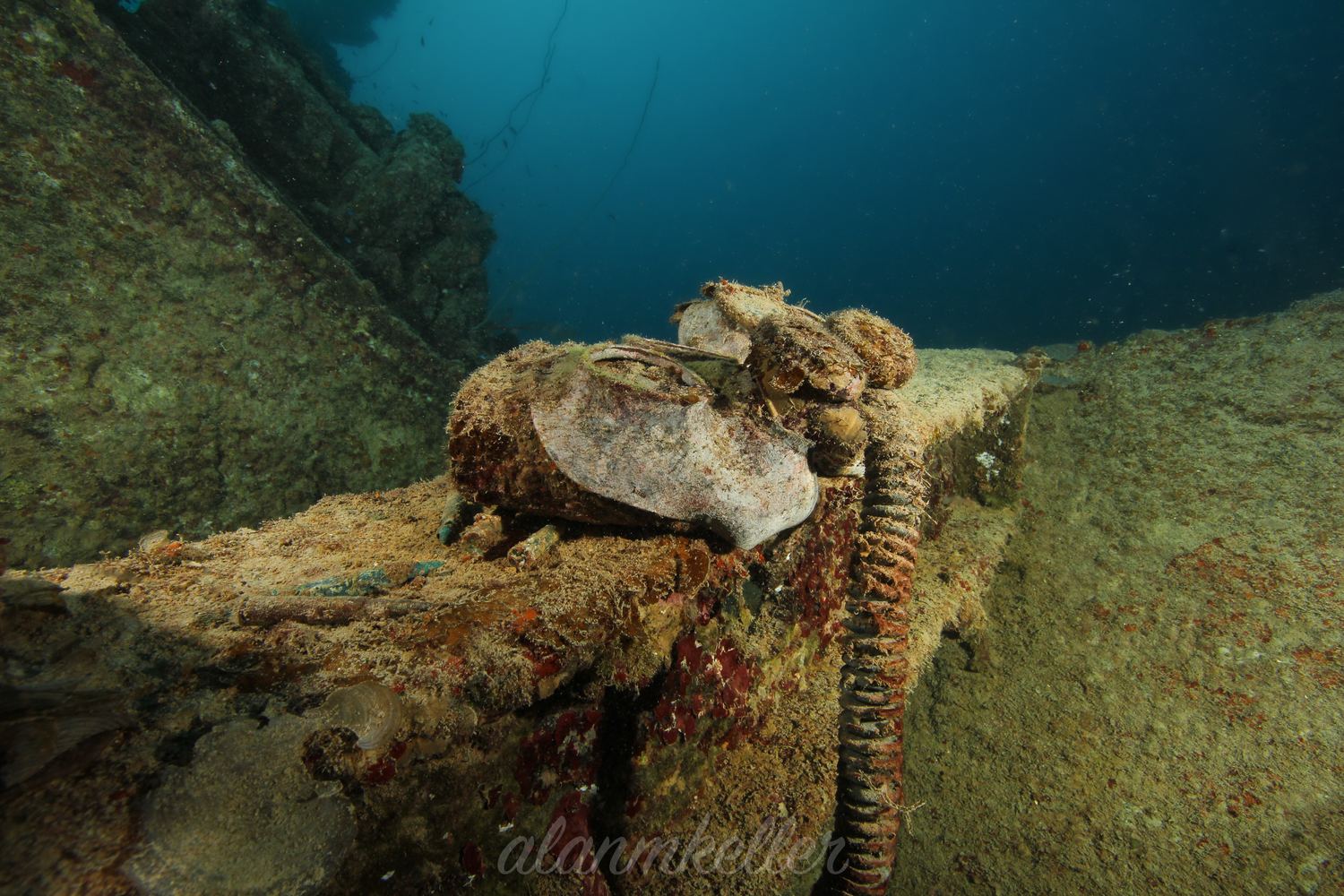
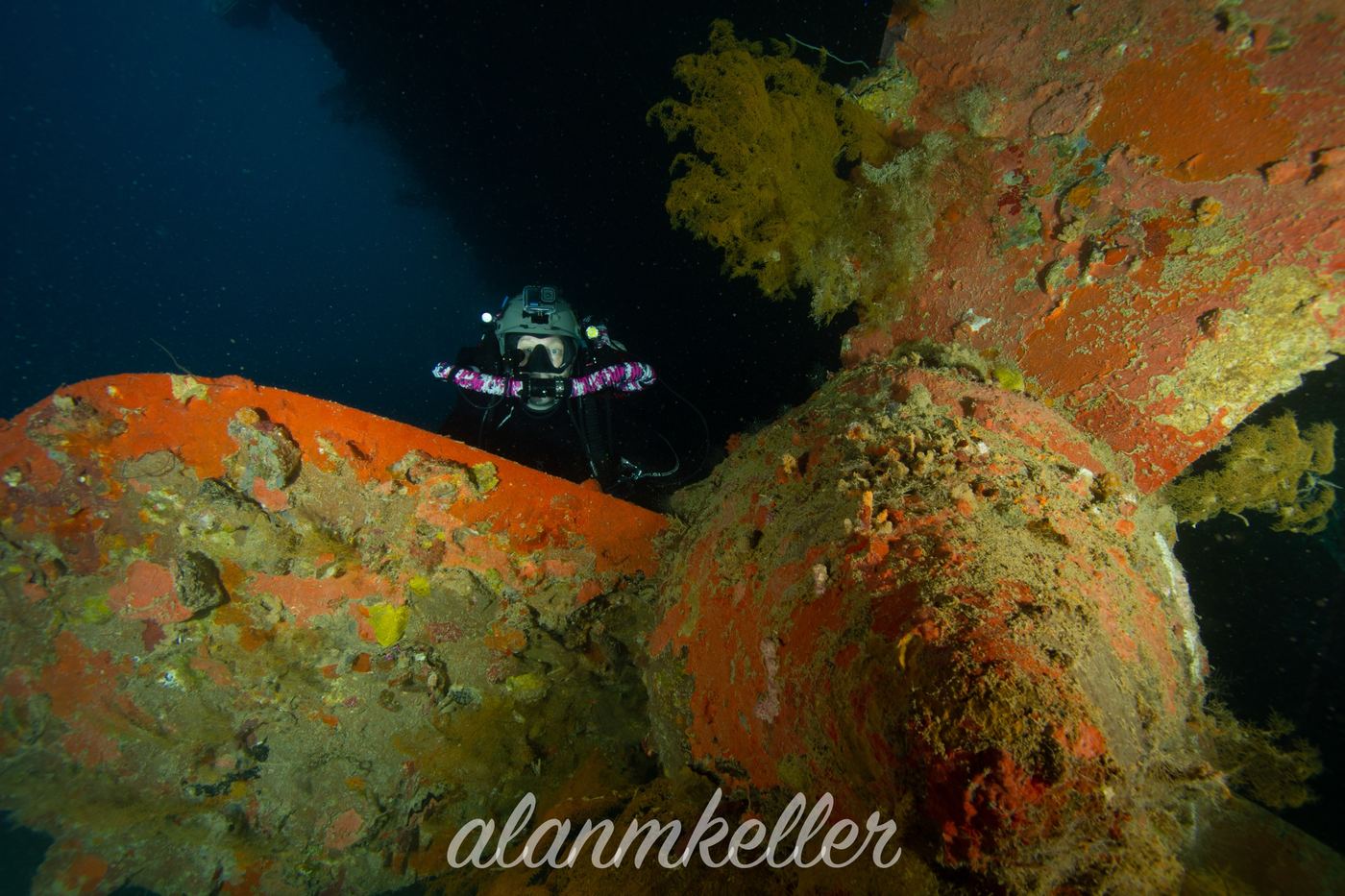
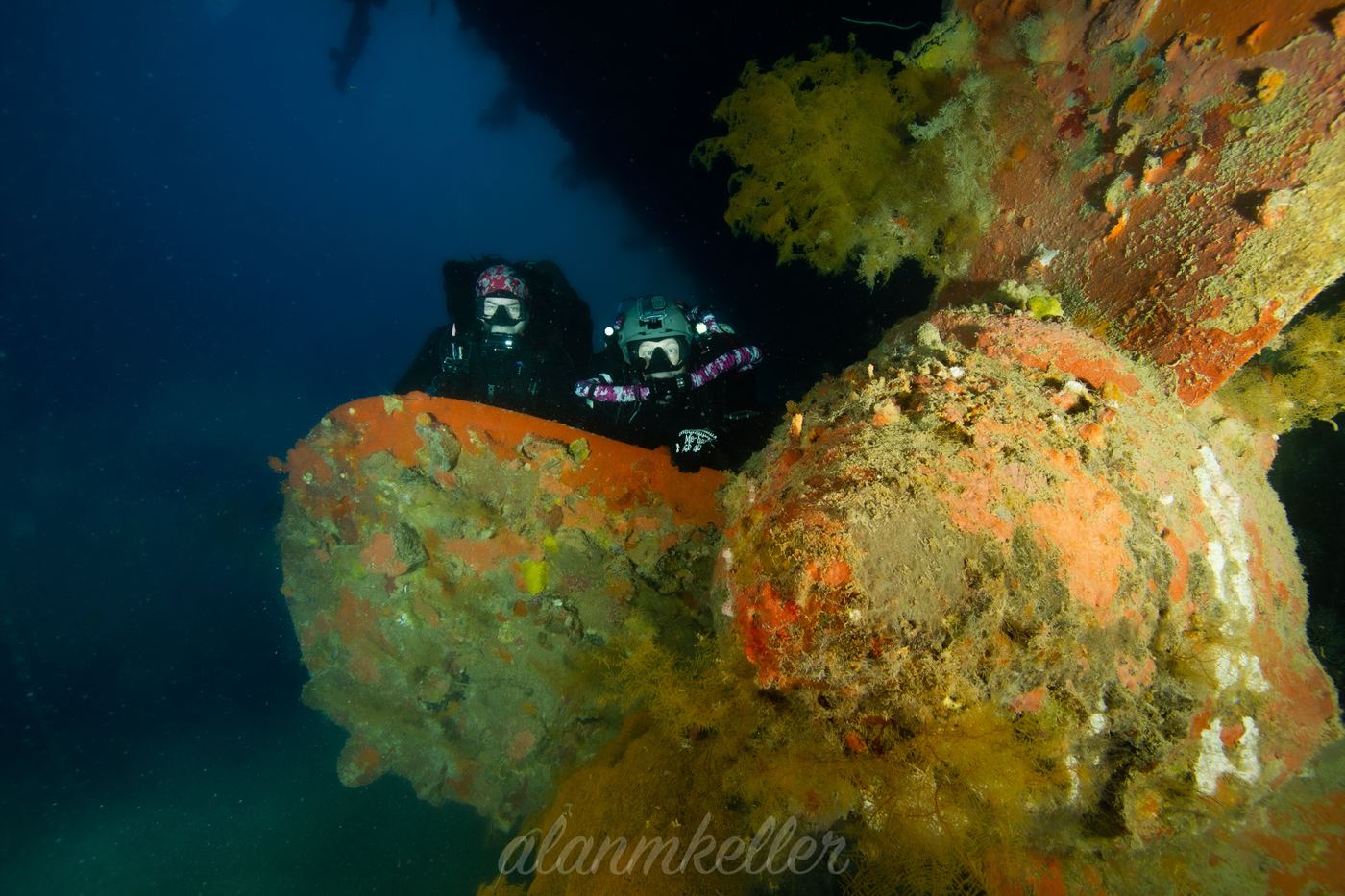
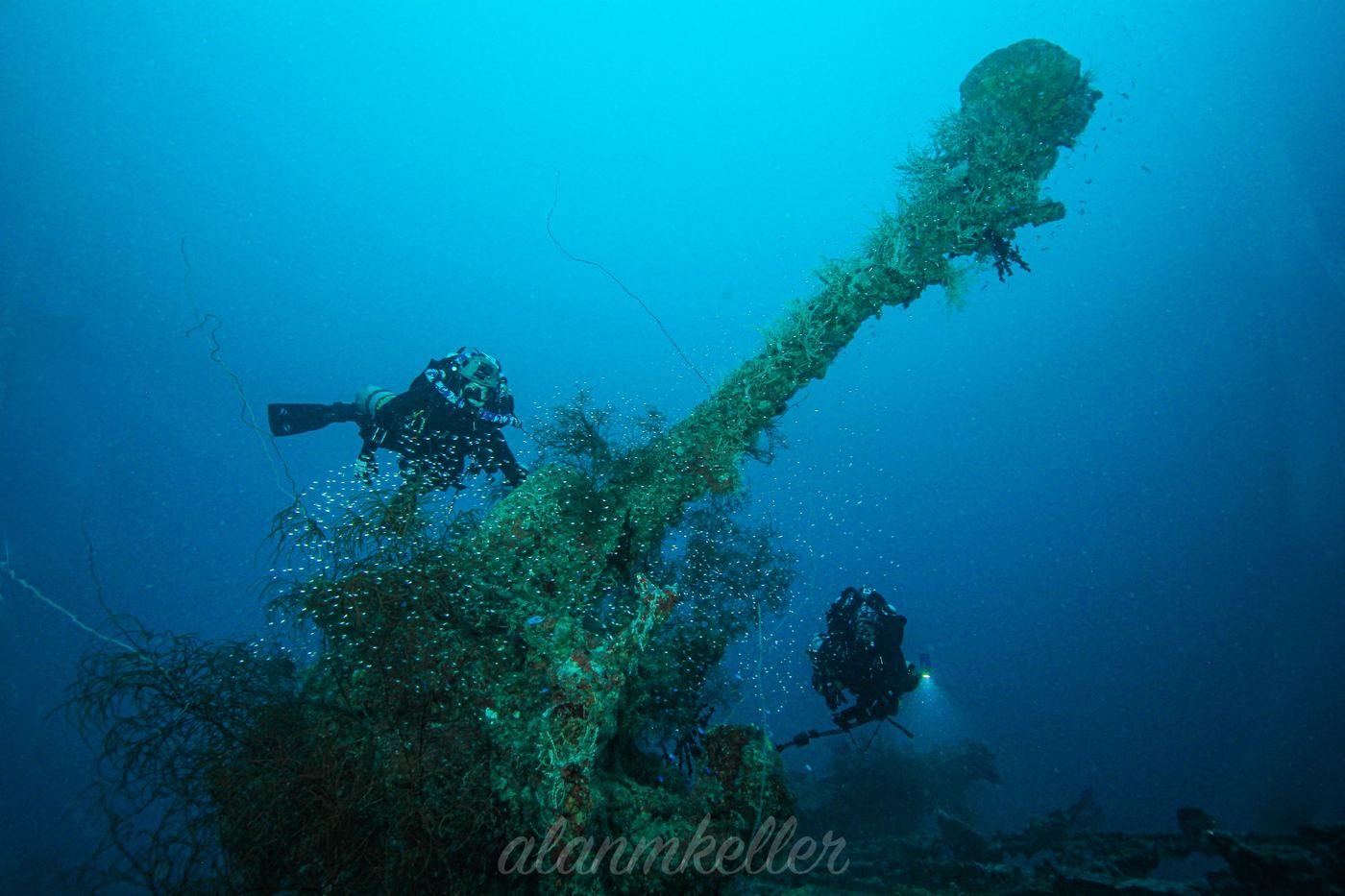
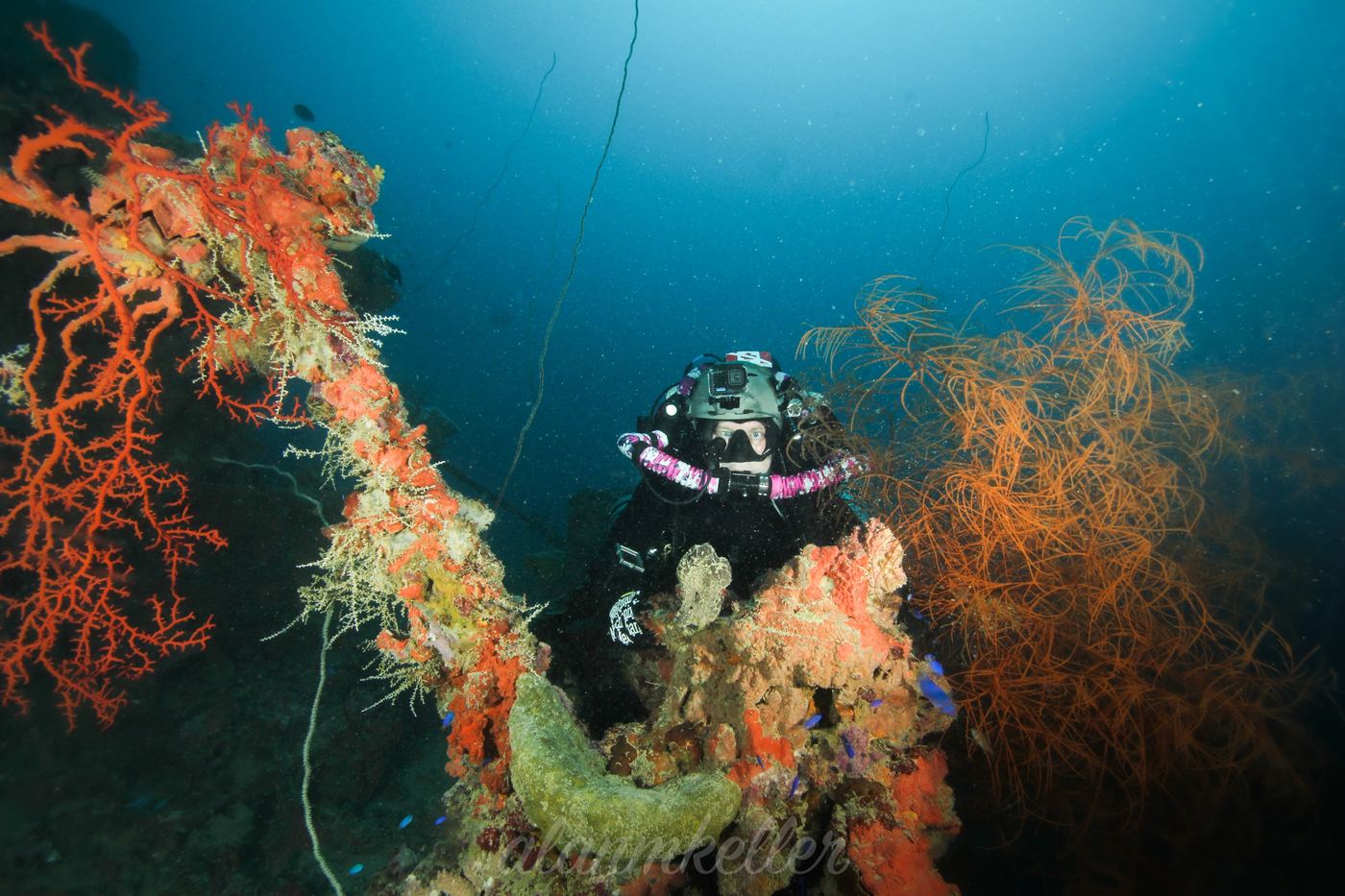
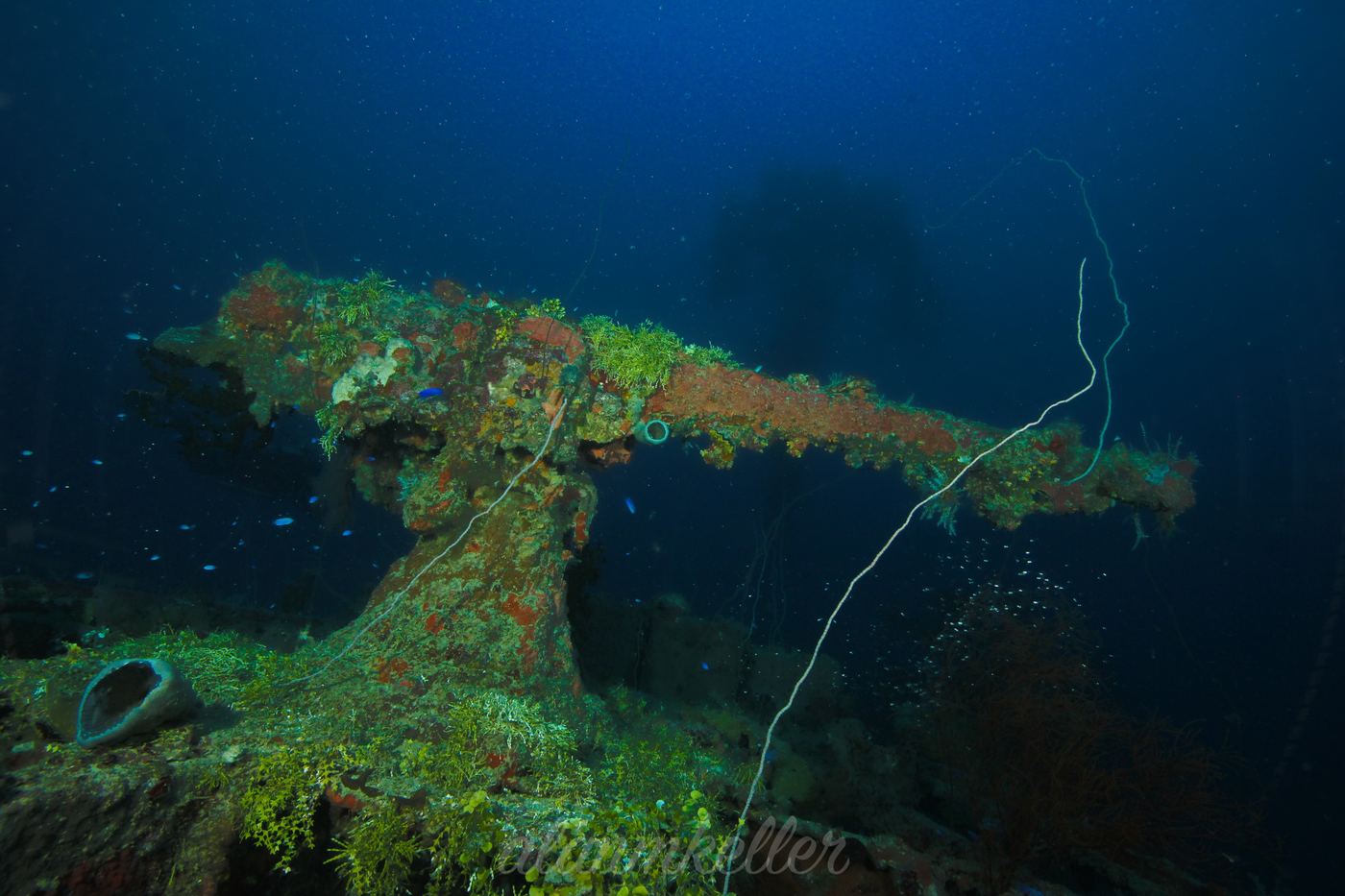
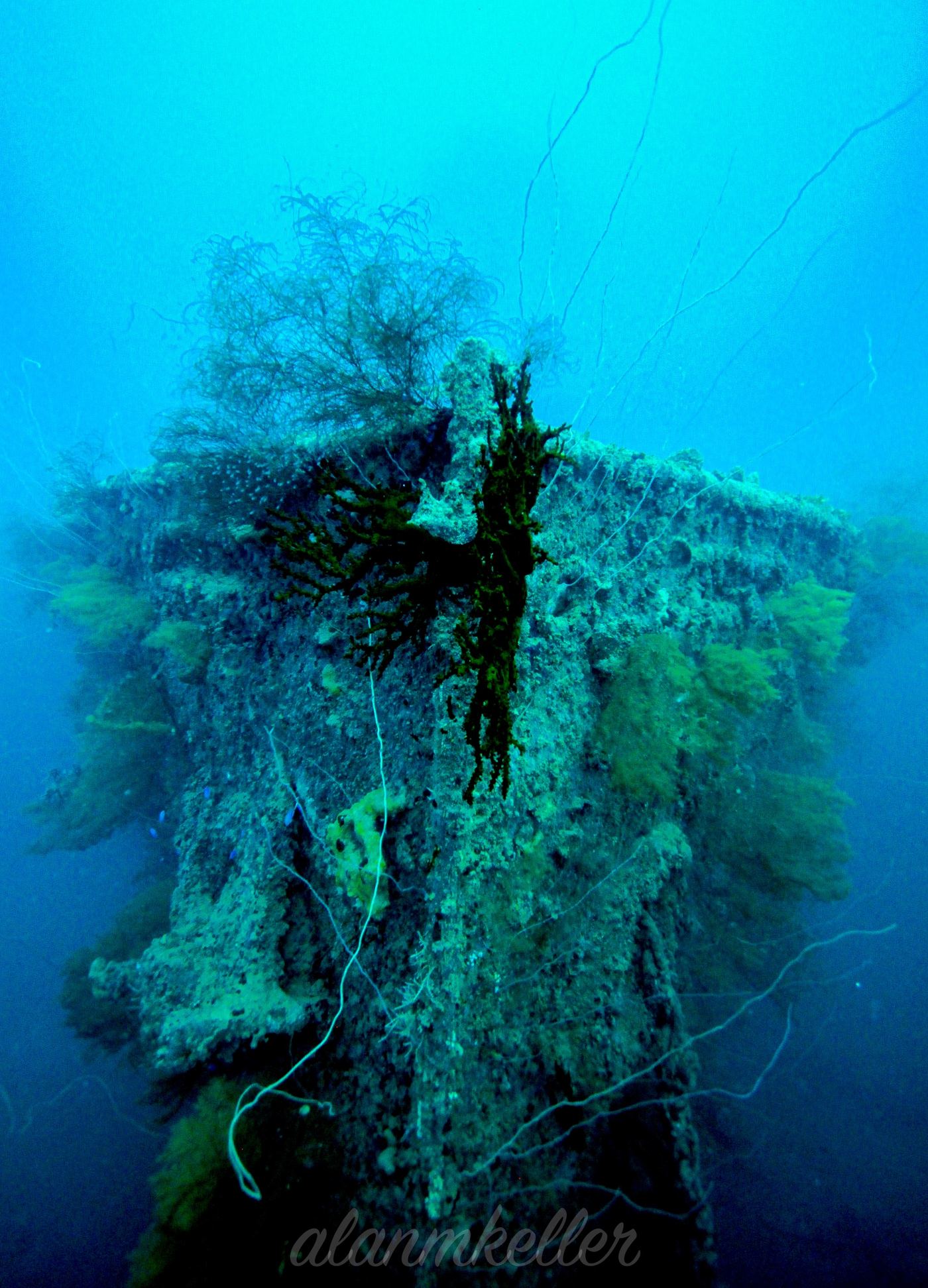
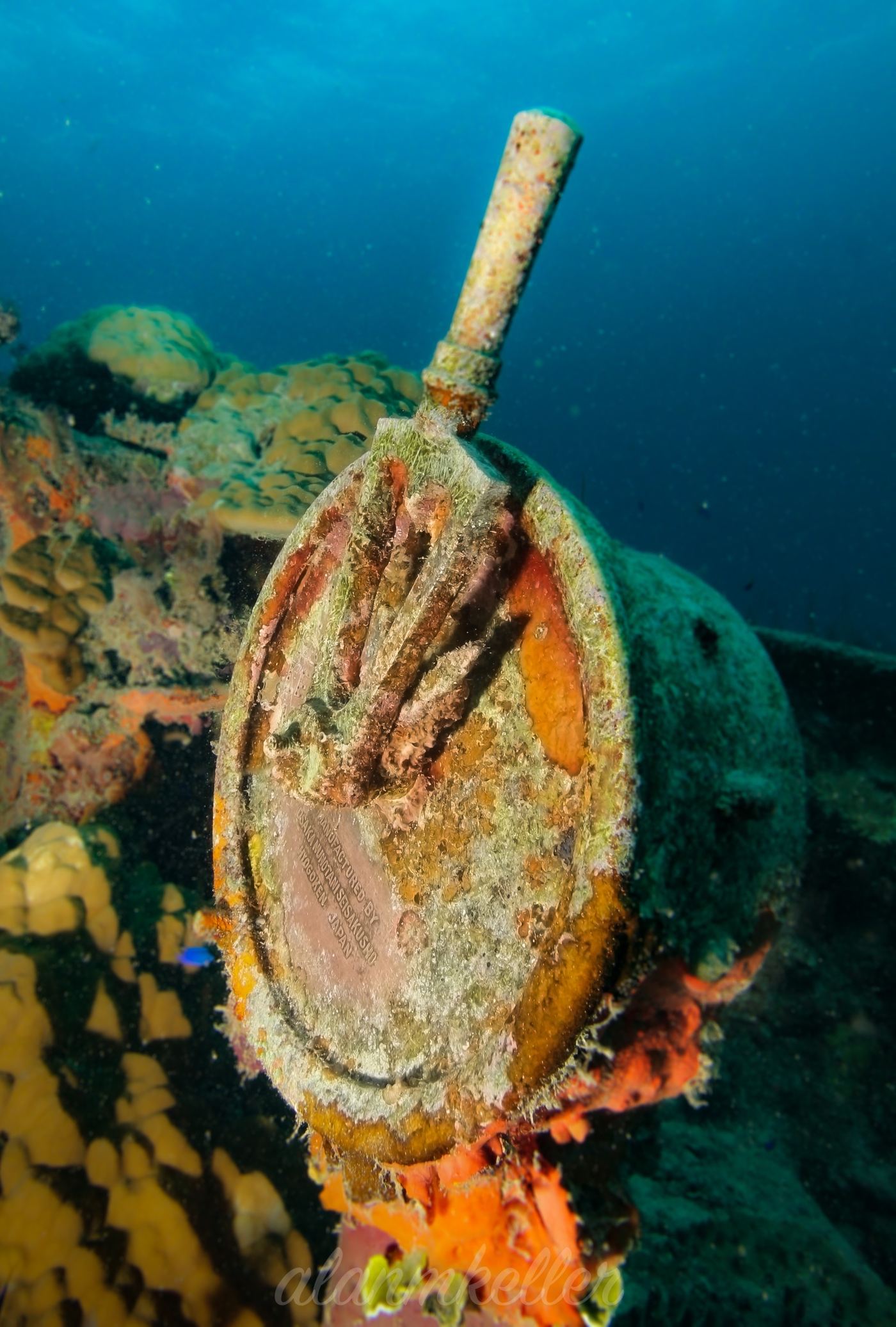
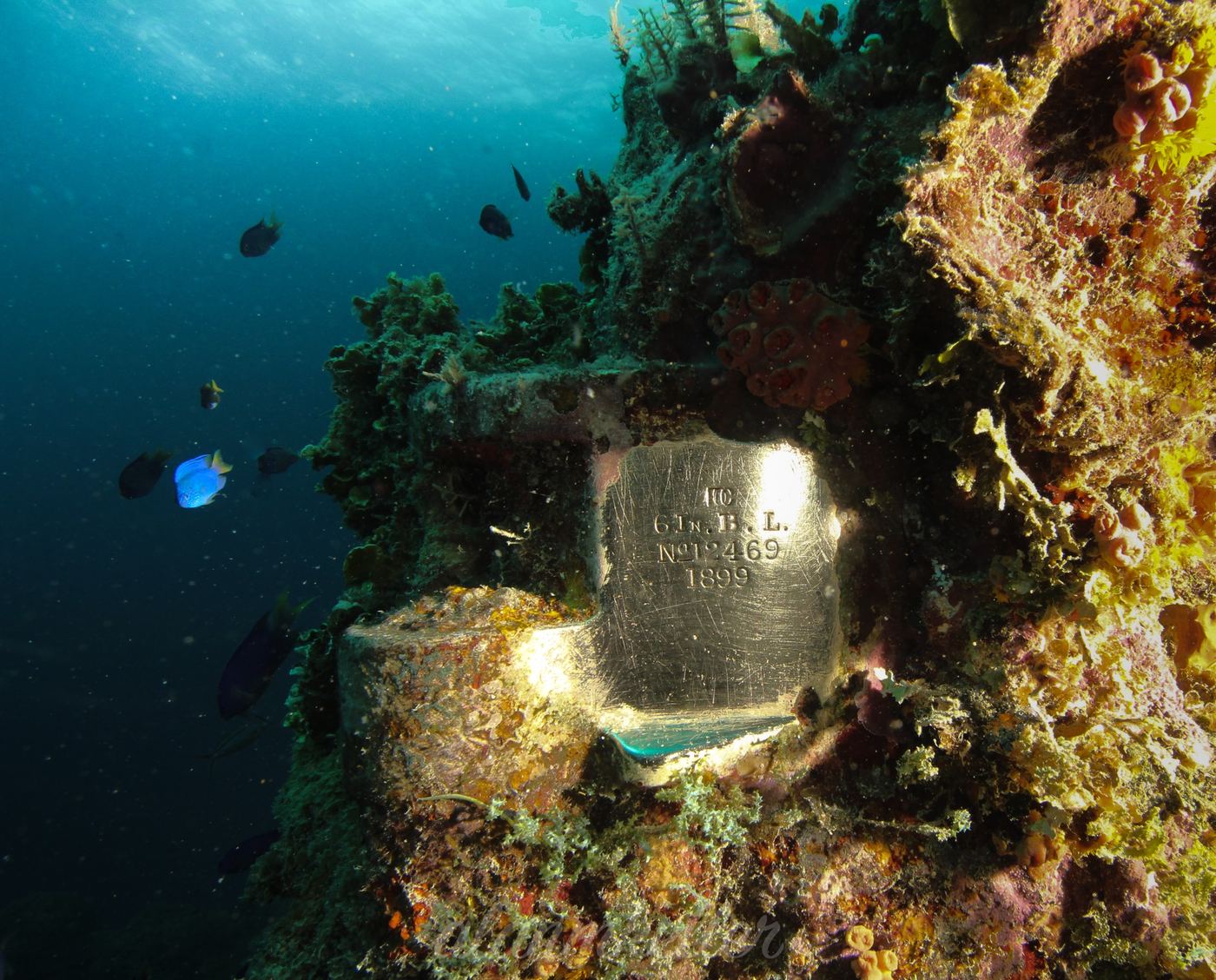
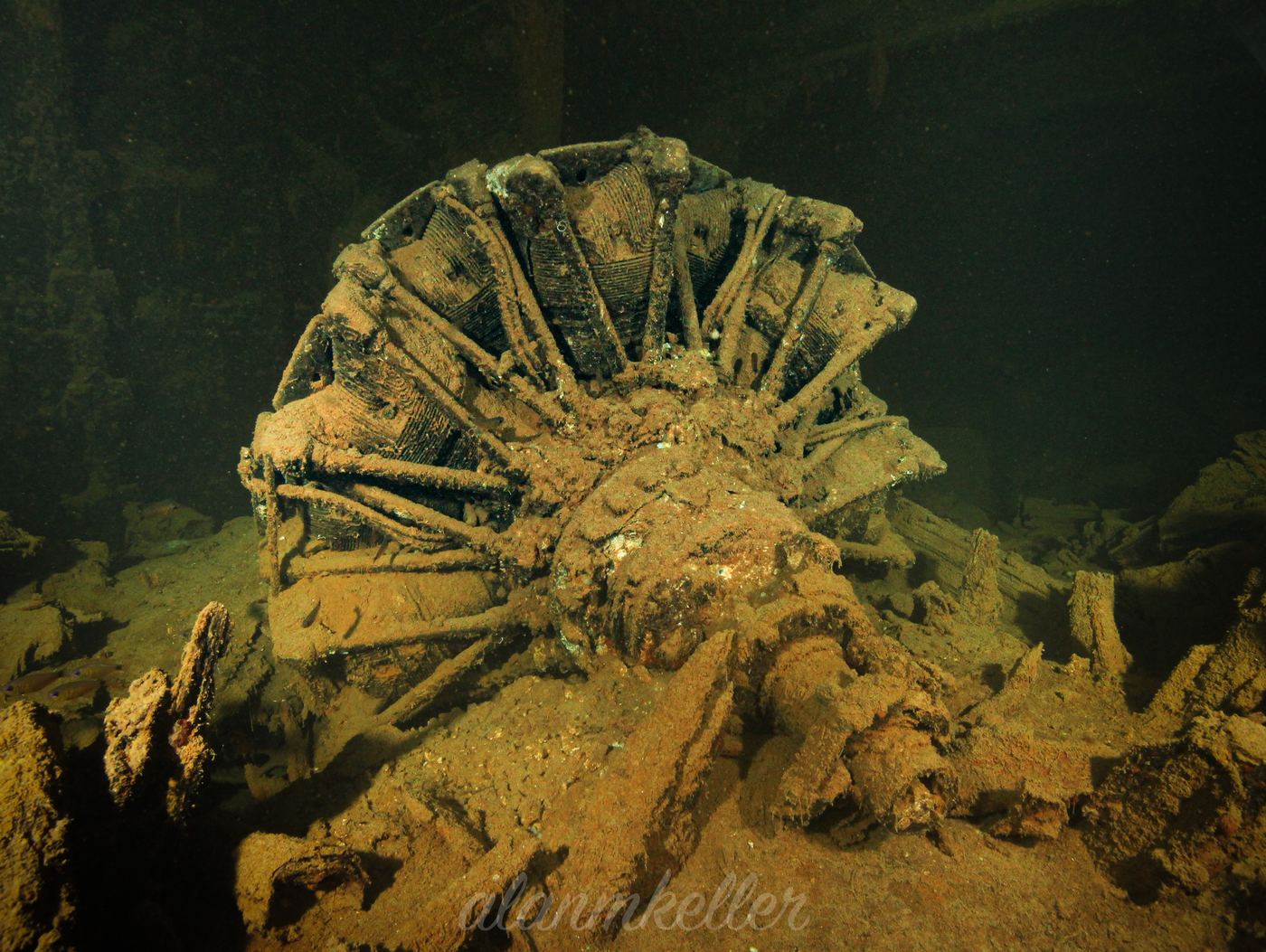
Below the surface, the wrecks are a world of their own — half warship, half reef, with divers drifting through the rigging.
The San Francisco Maru
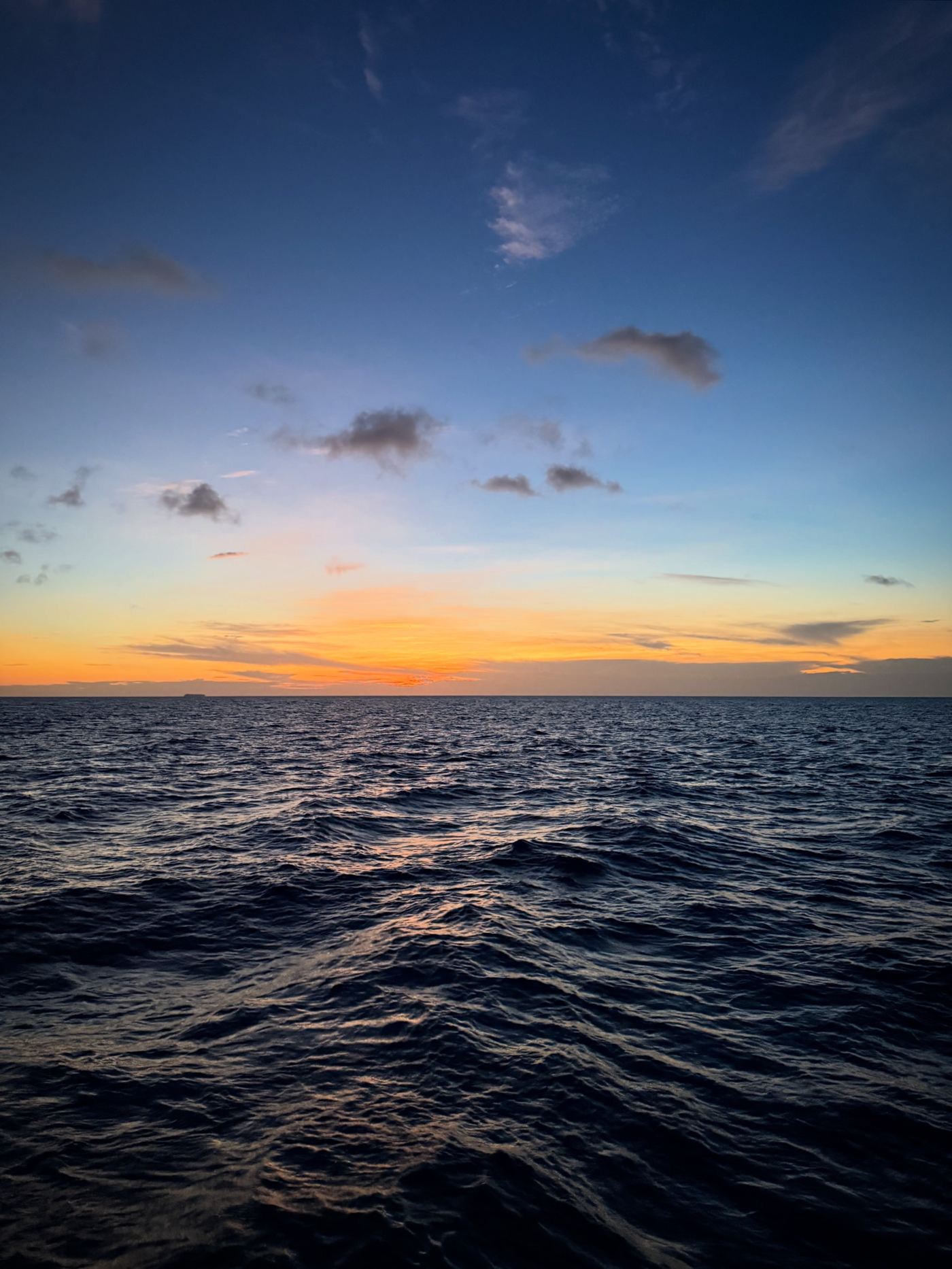
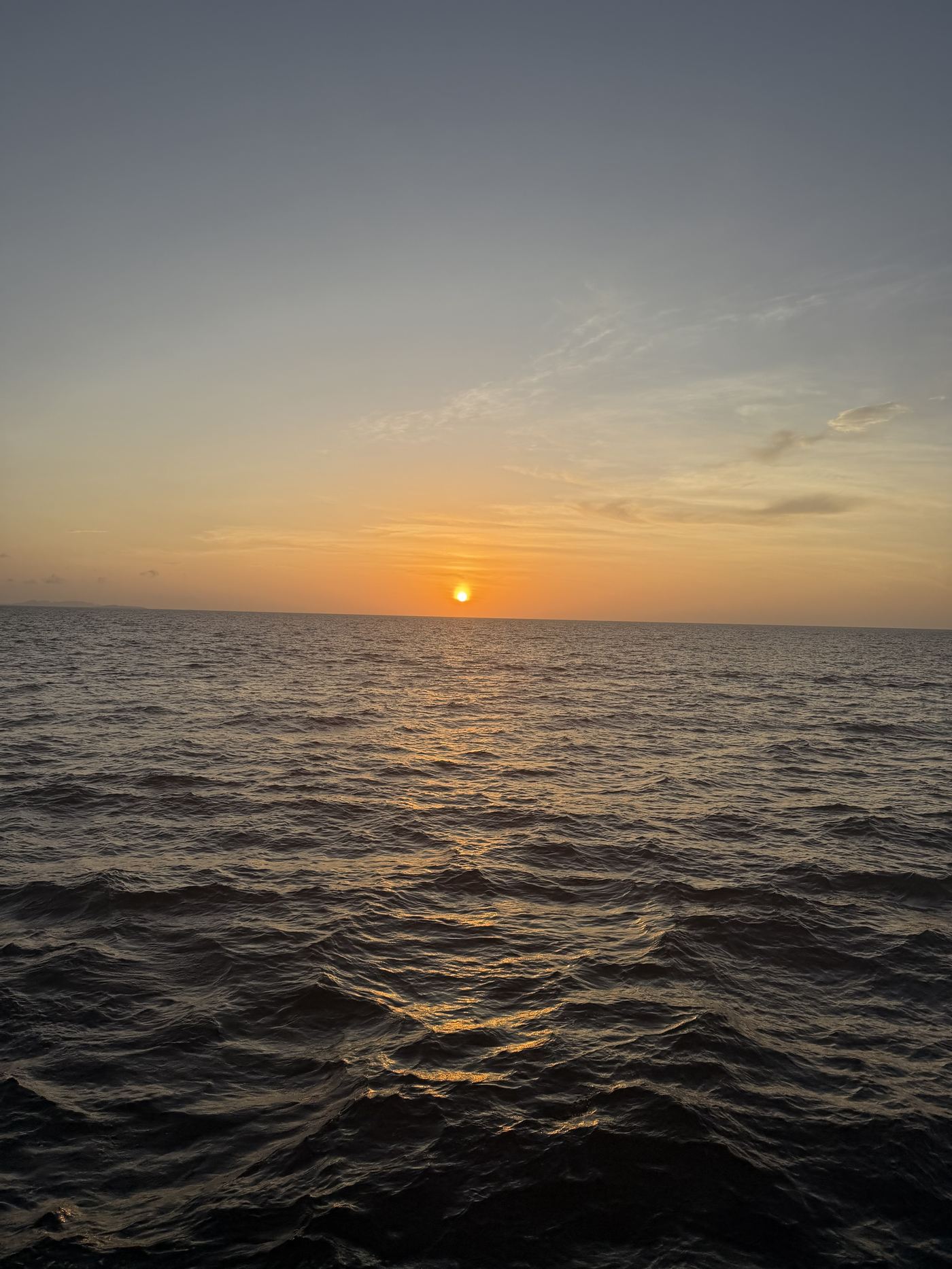
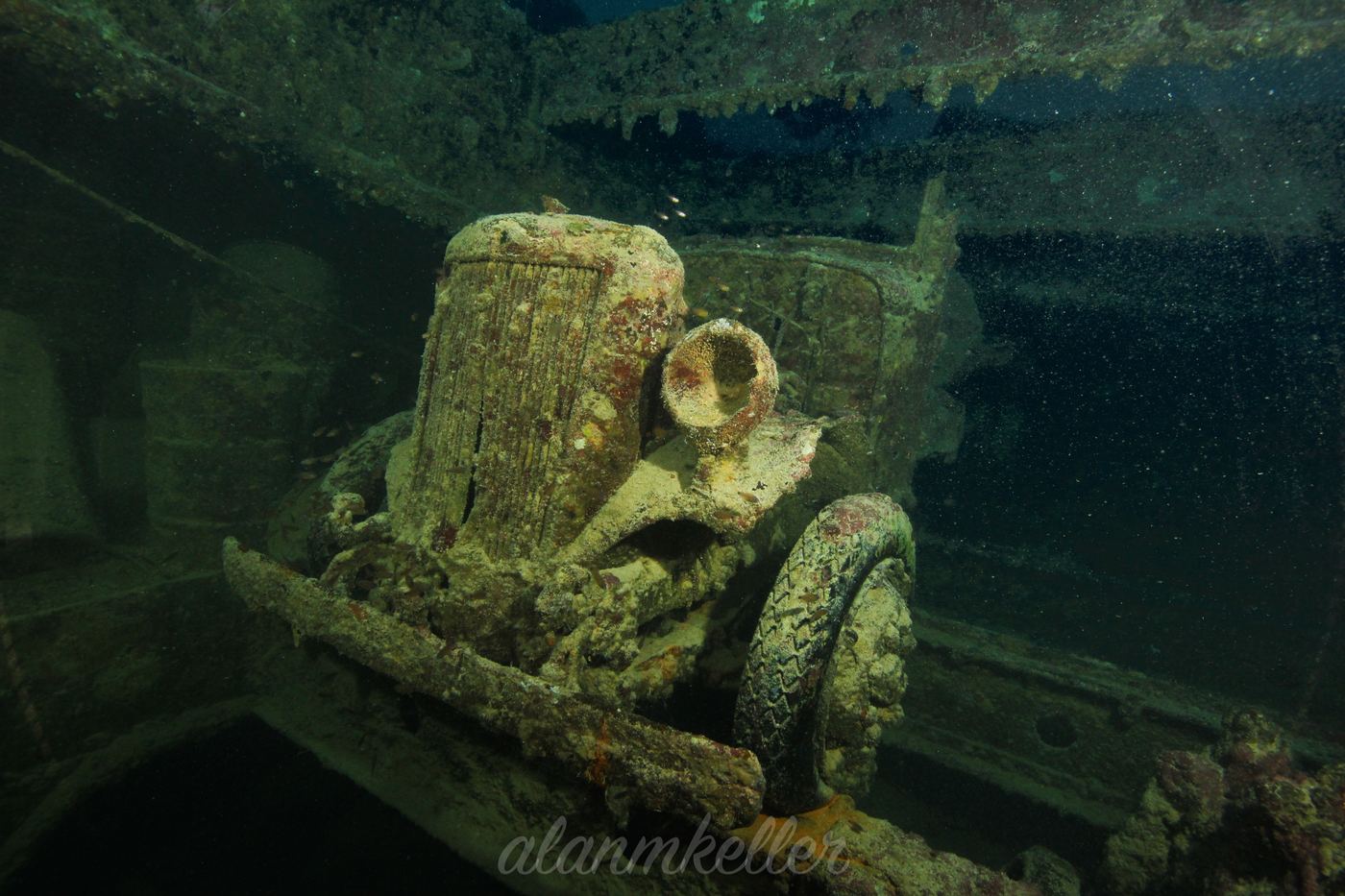
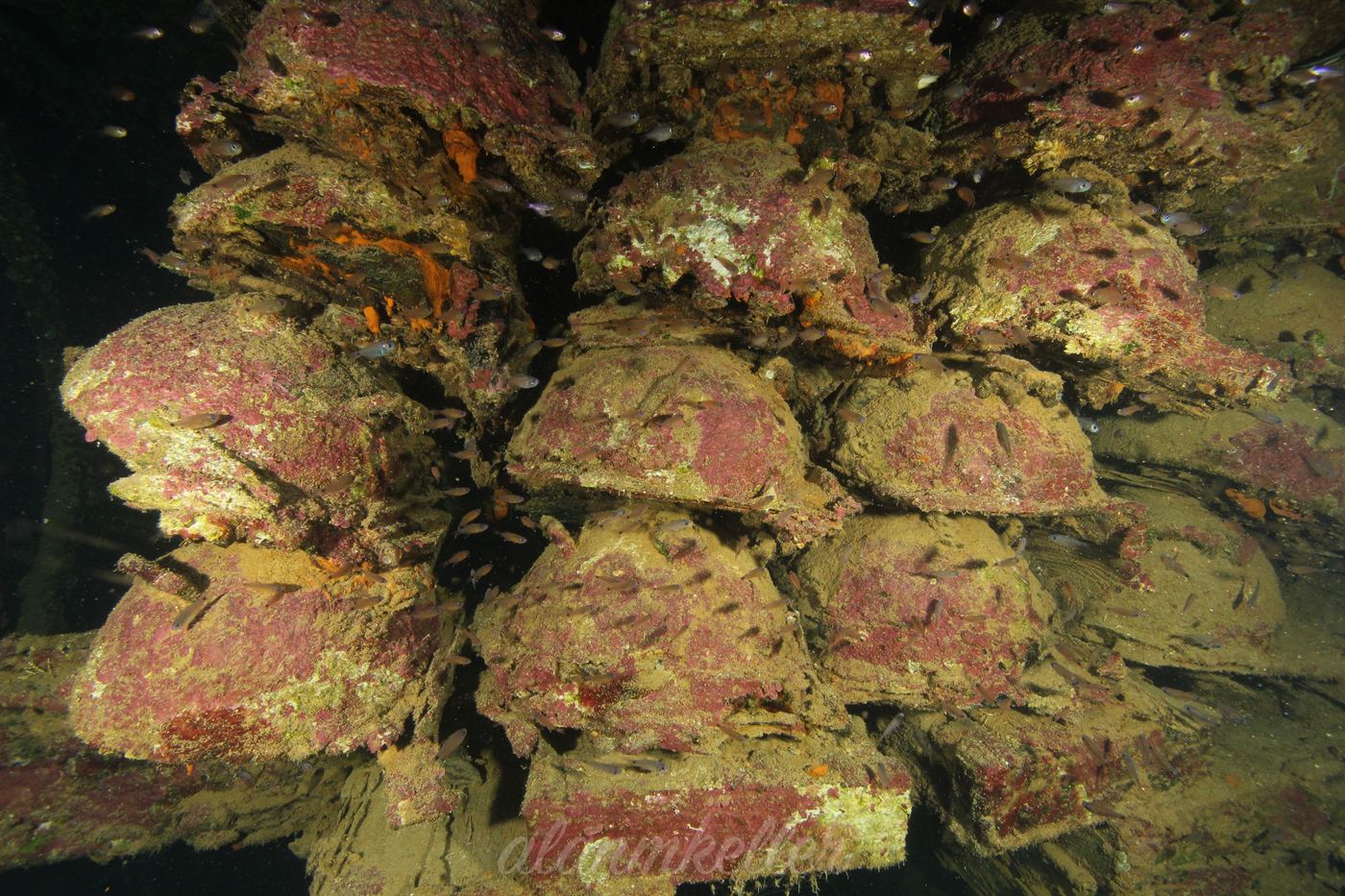
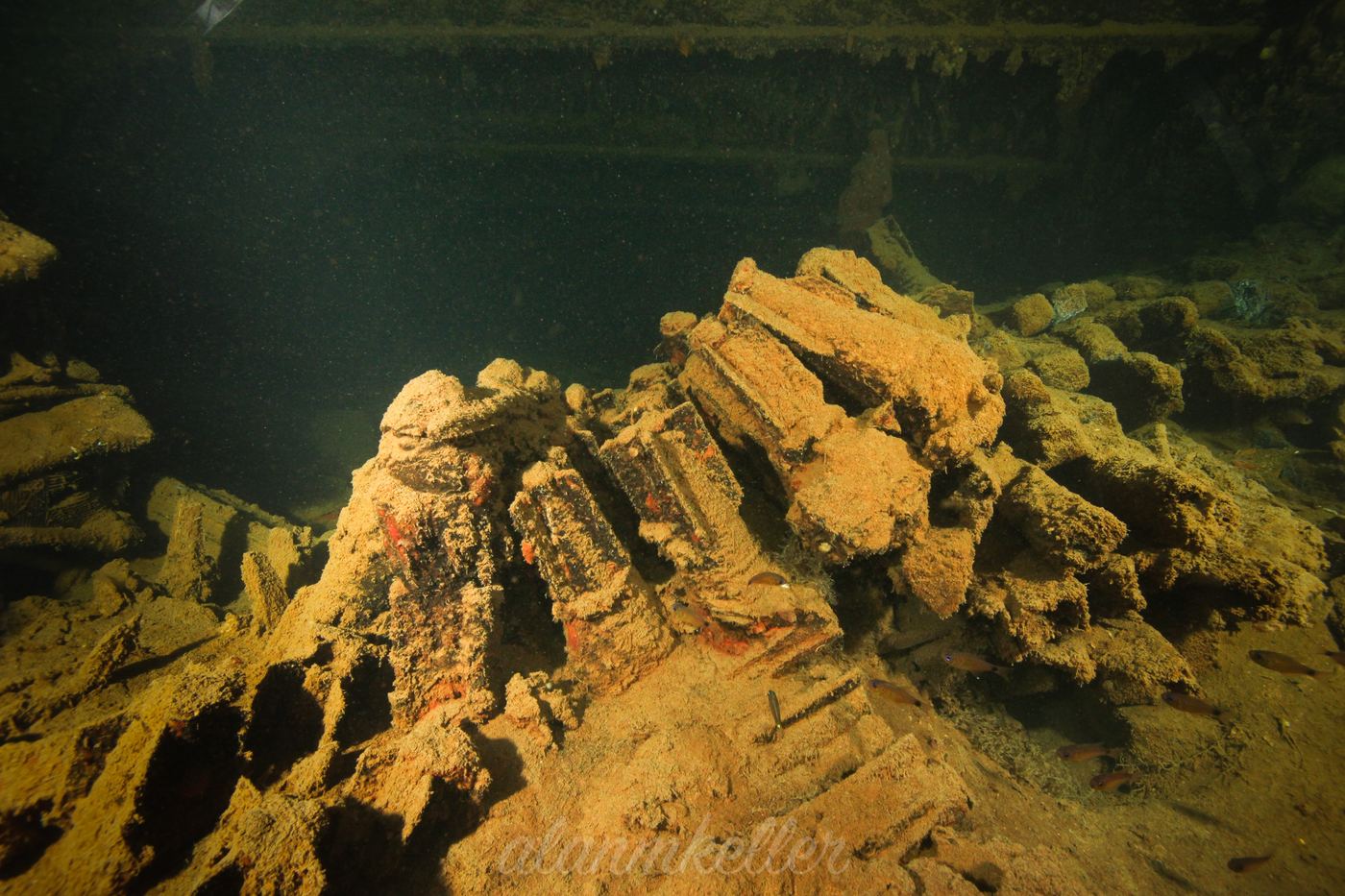
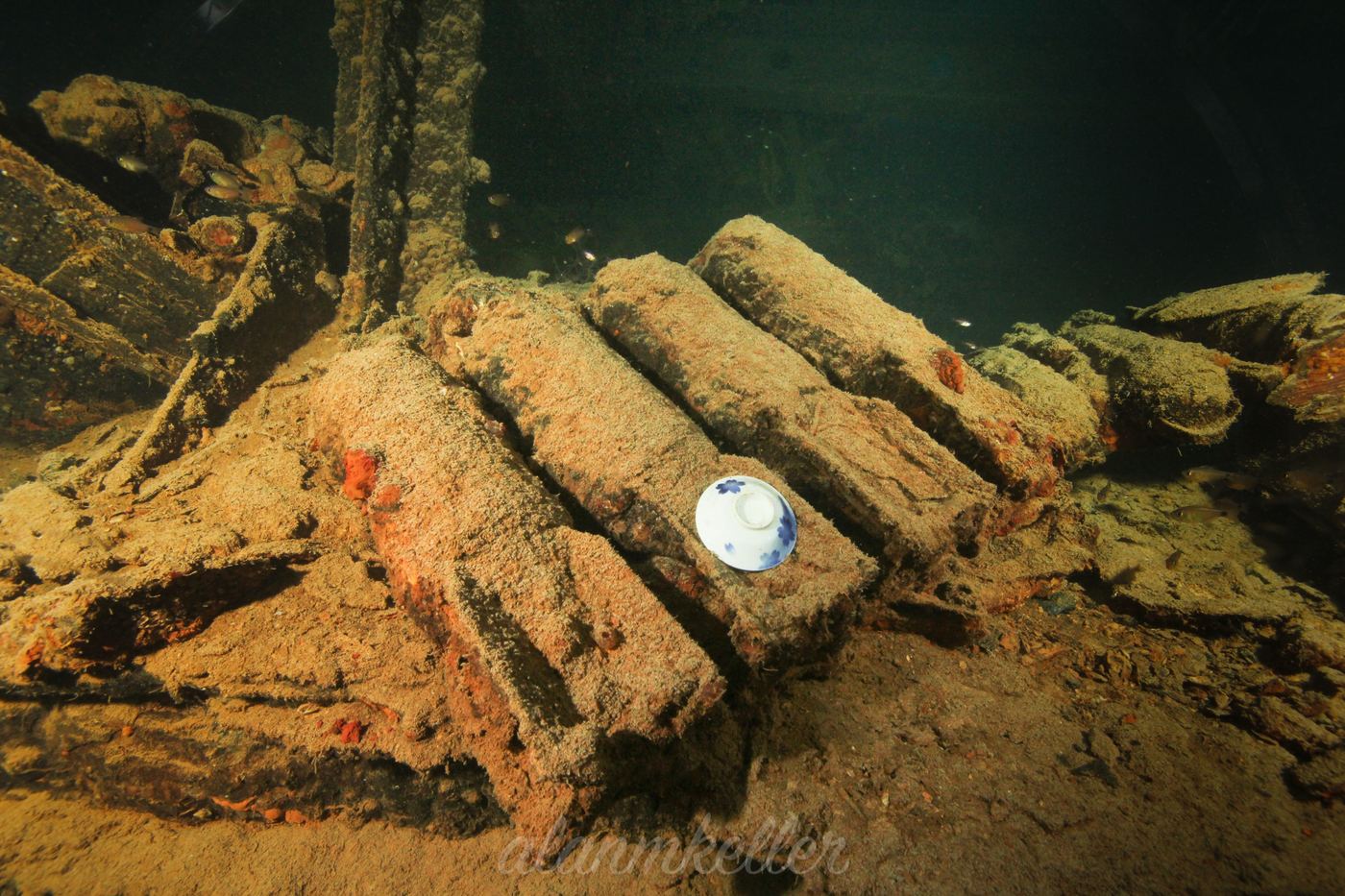
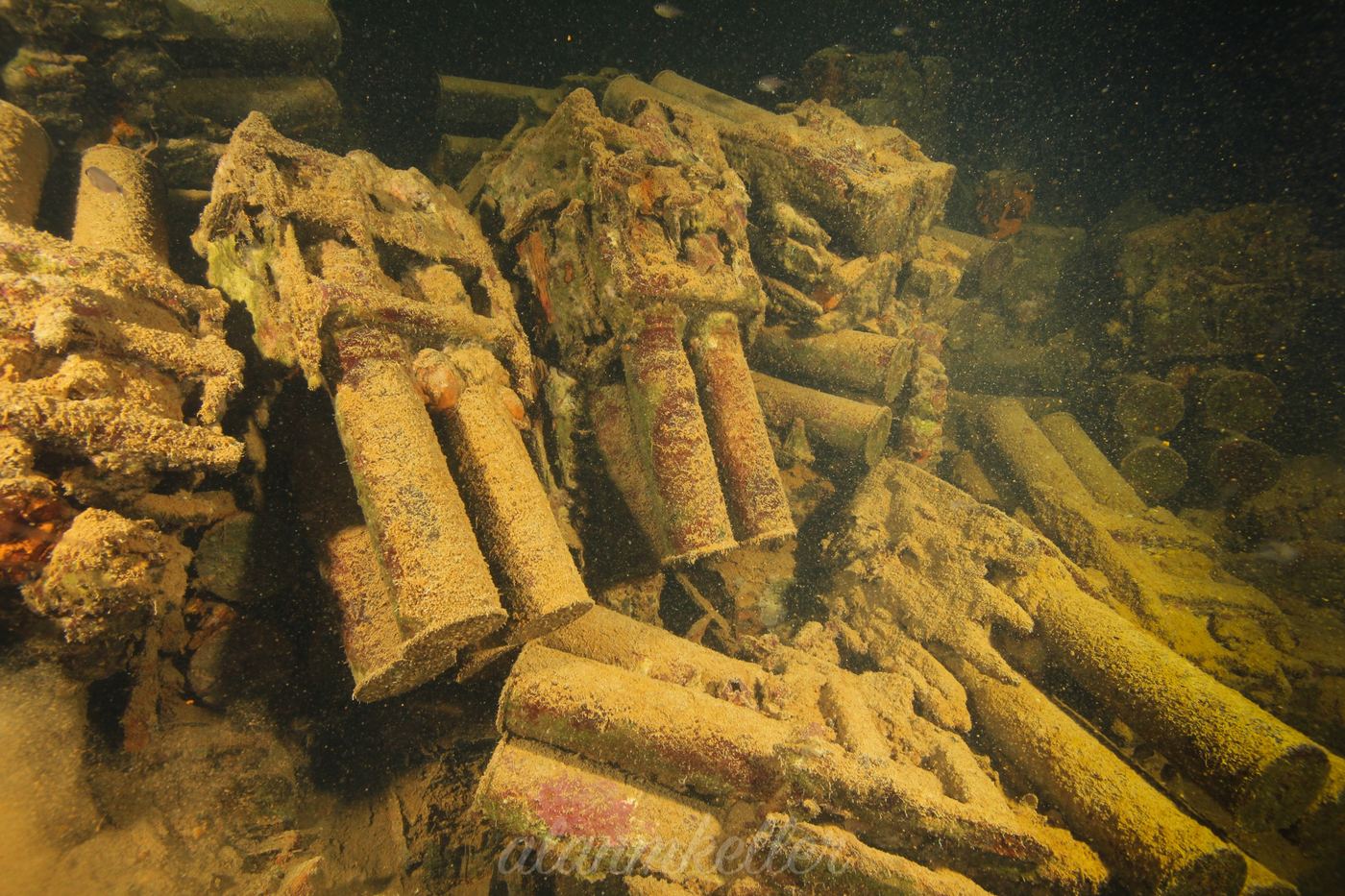
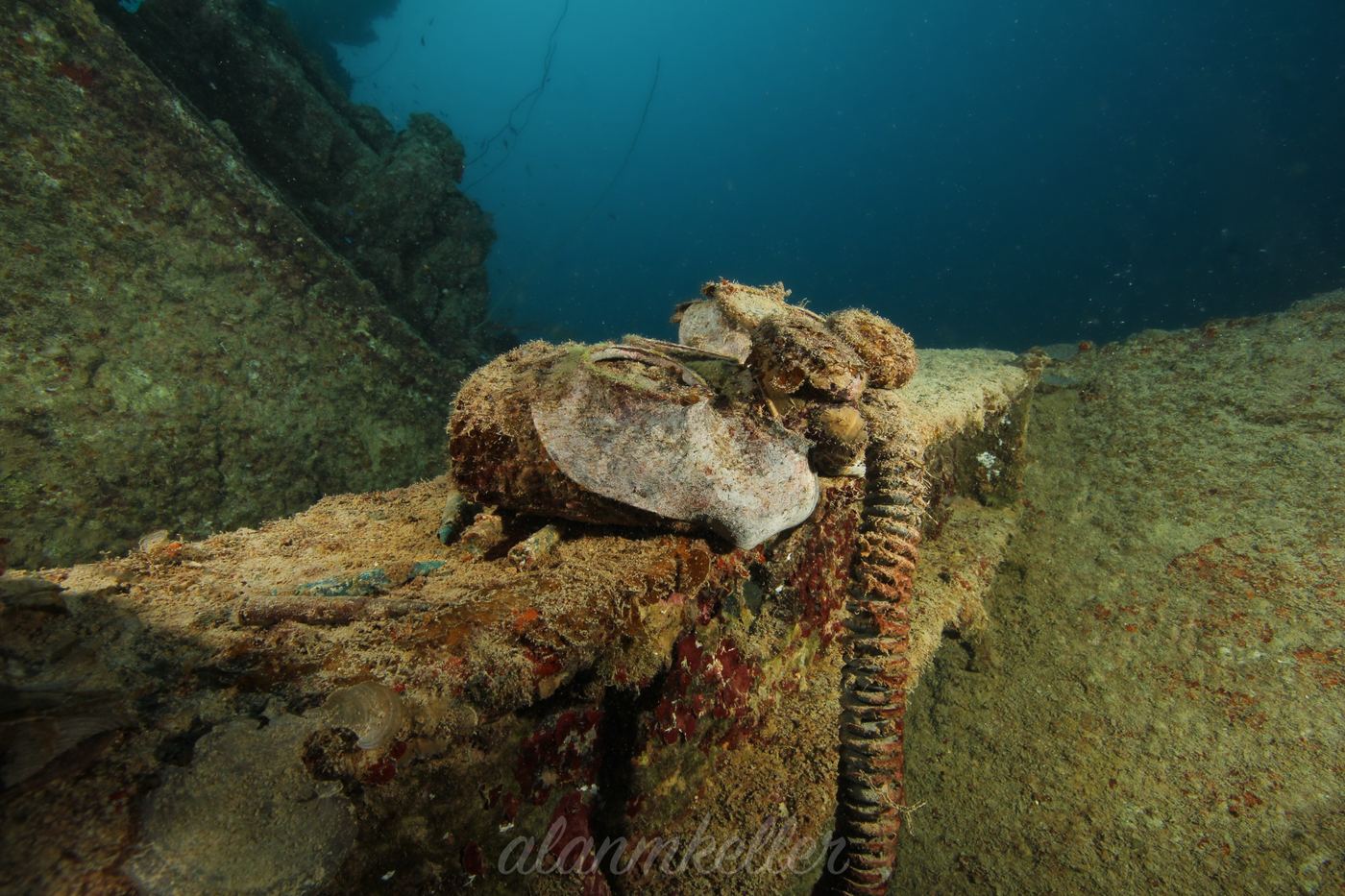
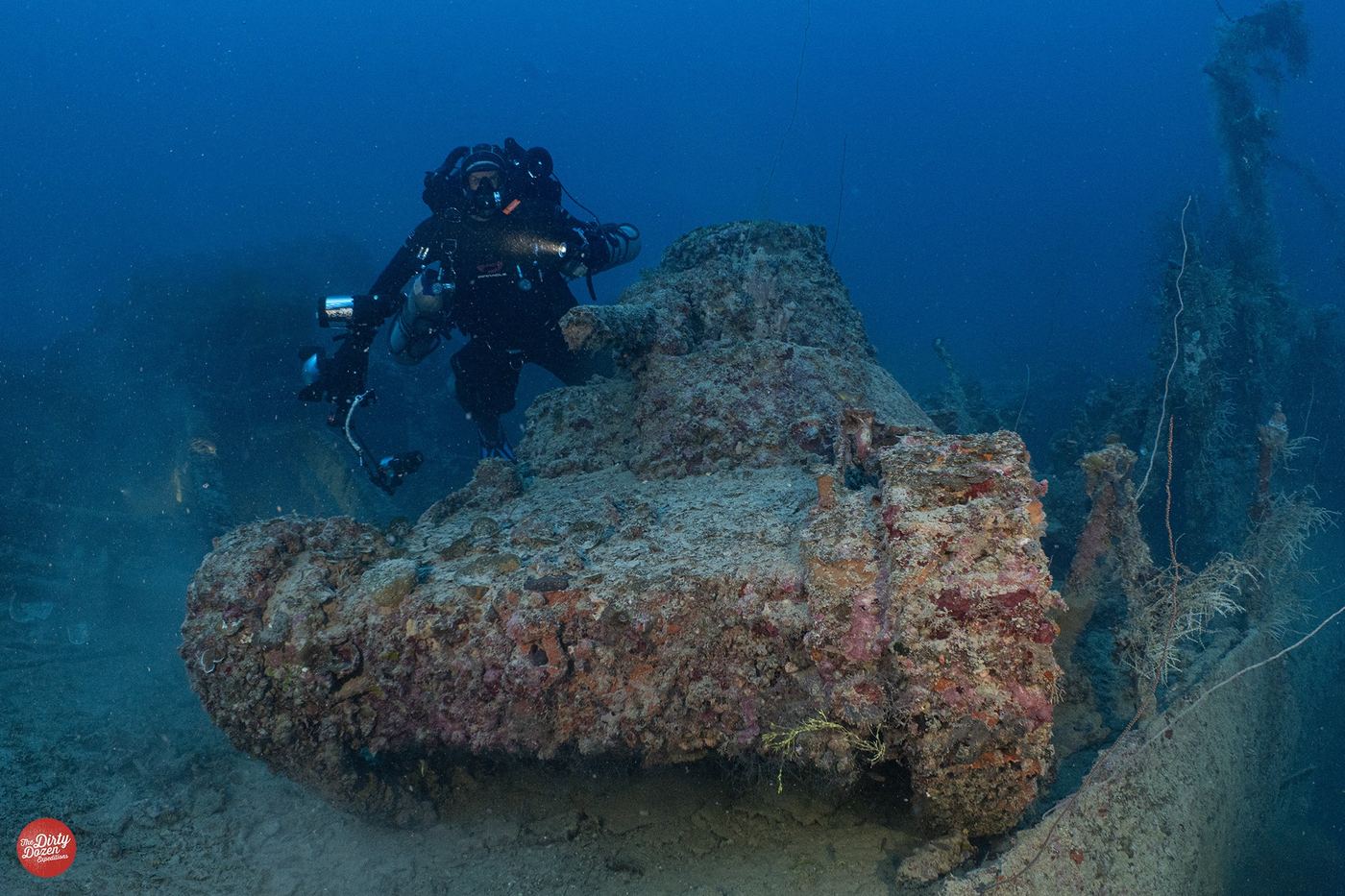
On the last day of diving — my birthday — I woke to a stunning sunrise and the chance to dive the San Francisco Maru. The "million dollar wreck," her holds full of trucks, unexploded bombs, ammunition and mines, her deck still carrying three Japanese Type 95 Ha-Go light tanks. The trip ended in complete contrast to how it began. It was easy to forget how remote we were, and just enjoy it.
Why Dirty Dozen
I'd followed Dirty Dozen for years, back when I was starting my own technical diving journey — learning what it takes to travel with a CCR, camera gear, and all the logistics technical diving demands. Truk was always on my list, but its remoteness made me hesitate. After COVID I knew my chance was coming; I hated the idea of booking two or three years out, so when a spot opened ten months ahead, I took it.
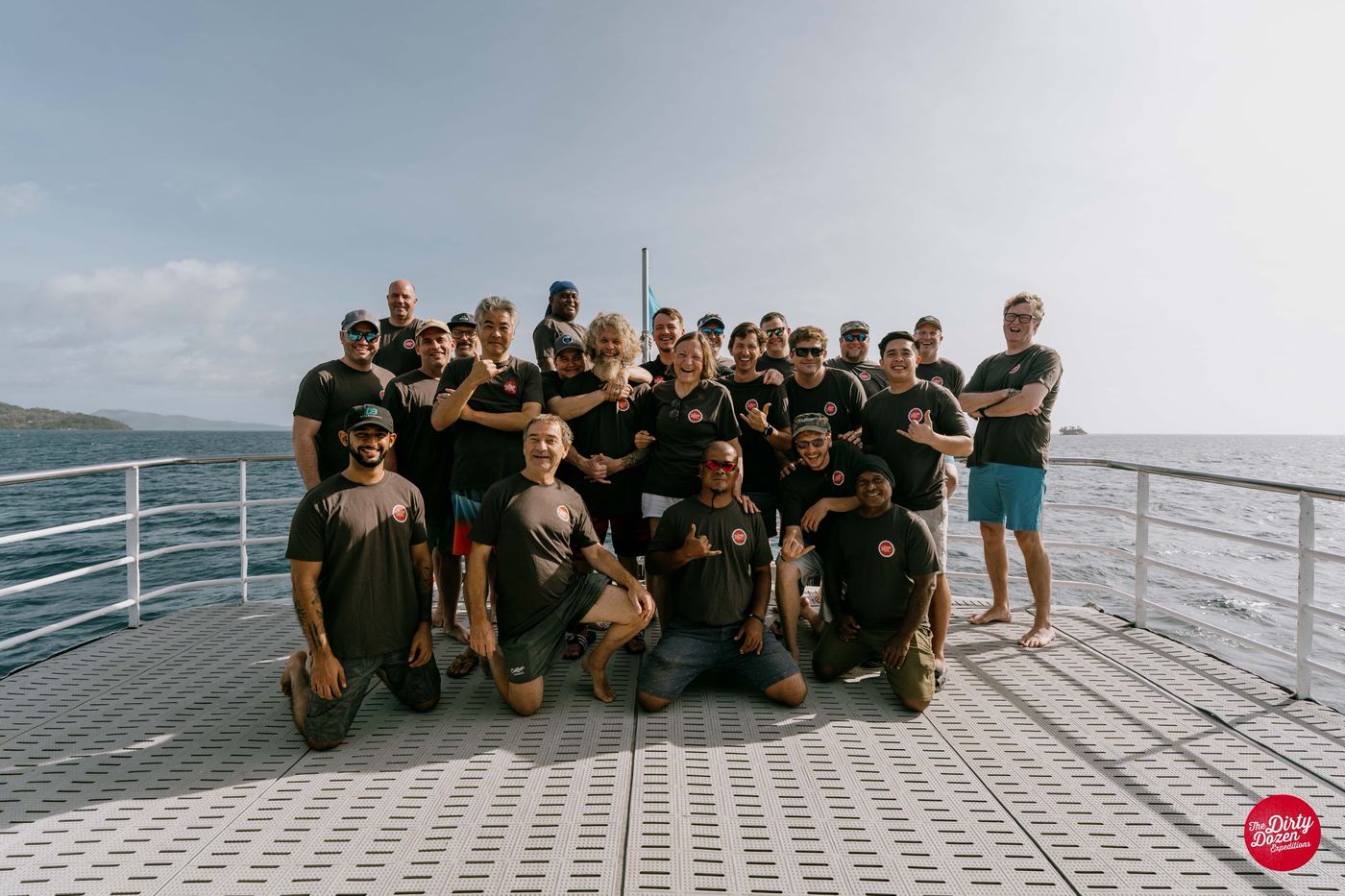
My expectations were exceeded. Planning calls before the trip walked us through what to expect and were recorded for anyone who booked late, and a WhatsApp group made it easy to ask any question at any hour. The Truk Odyssey was a great boat — fully set up for a tech charter of 16 open-circuit and CCR divers, and they kept us very well fed. You're in a remote place, but the operation never lets you feel it. Special credit to the crew for getting the boat ready after riding out the typhoon — we lost only two days when it could have been far worse. And I appreciated Aron's experience and judgment in keeping the charter both enjoyable and safe: little things like lingering a bit longer on the bar to cut DCS risk, and the Splash checklist catching problems early. An unforgettable experience — I recommend Dirty Dozen without hesitation.